Mastering EpistemologyGuide · Map · Audio فا
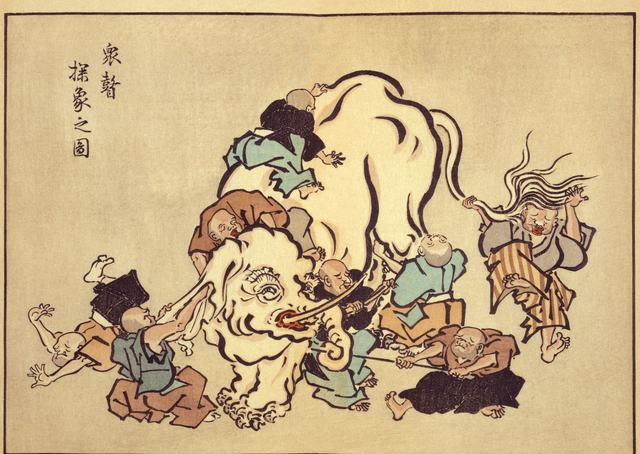
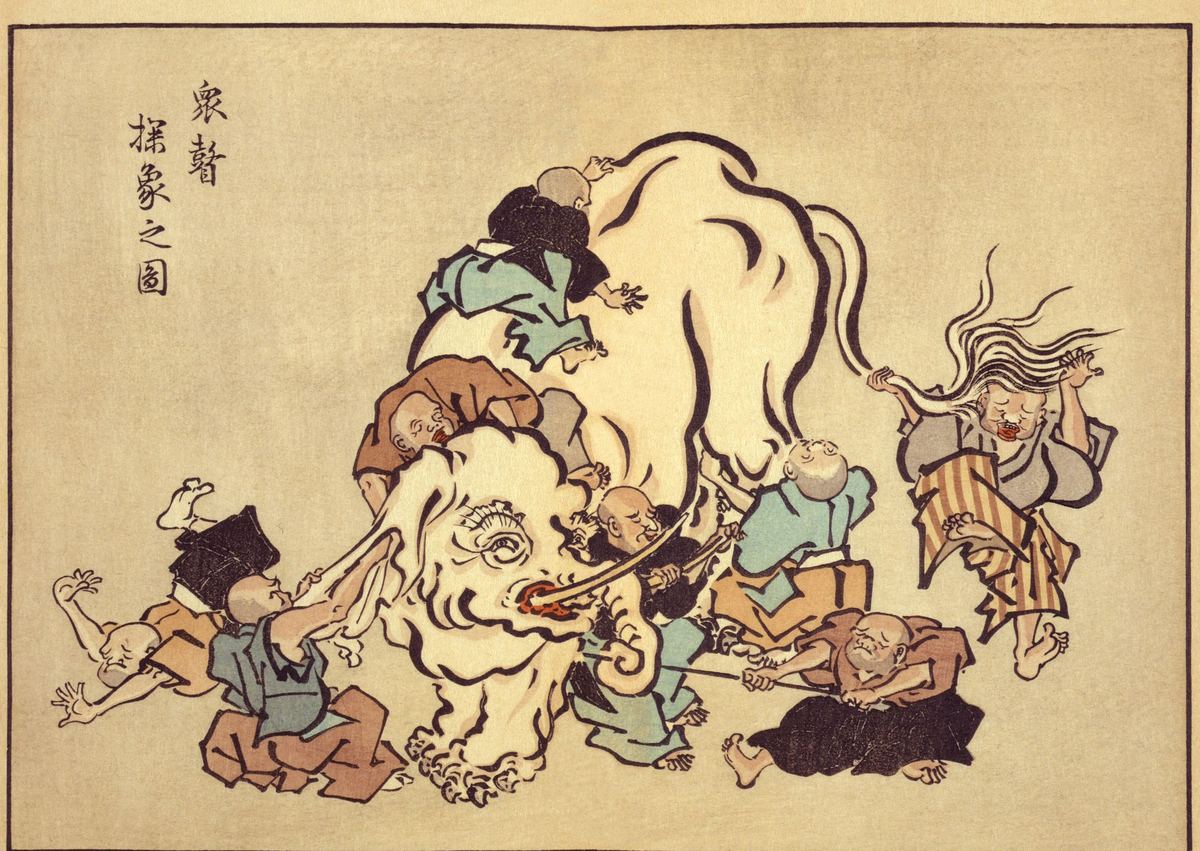
Blind Monks Examining an Elephant by Hanabusa Itchō (Edo period)
The concept map as pages

All concepts

135 concepts in epistemology, each with a full entry in English and Persian: the problem it solves, the idea, objections and replies, common confusions, and a question to check yourself.

Hanabusa Itchō, Blind Monks Examining an Elephant, Edo period
On the cover

Hanabusa Itchō, Blind Monks Examining an Elephant, Edo period, woodblock print. Each monk touches one part and describes a different animal. The concept map offers twelve such angles on a single question.

The Münchhausen Trilemmaسه‌راهیِ مونش‌هاوزن

Every chain of justification ends in one of three failures: it runs forever, it circles back, or it stops on an assumption nobody justified.

هر زنجیرهٔ توجیه به یکی از سه شکست می‌رسد: تا بی‌نهایت ادامه می‌یابد، به خود بازمی‌گردد، یا روی فرضی می‌ایستد که کسی توجیهش نکرده است.

Infinitismتسلسل‌گراییJustification need not terminate: a belief can be supported by an endless, non-repeating chain of further reasons.توجیه لازم نیست پایان یابد: یک باور می‌تواند با زنجیره‌ای بی‌پایان و غیرتکراری از دلایلِ بیشتر پشتیبانی شود.Coherentismانسجام‌گراییA belief is justified by fitting into a mutually supporting web of beliefs, not by tracing back to a privileged foundation.یک باور به‌سببِ جاگرفتن در شبکه‌ای از باورهای پشتیبانِ یکدیگر موجه می‌شود، نه به‌سببِ رسیدن به بنیادی ممتاز.FoundationalismمبناگراییSome beliefs can be justified non-inferentially; they form a base from which other justified beliefs inherit support.برخی باورها می‌توانند بدون استنتاج موجه باشند؛ آن‌ها پایه‌ای می‌سازند که باورهای دیگر پشتیبانی‌شان را از آن می‌گیرند.Hinge epistemologyمعرفت‌شناسیِ لولاSome commitments are not conclusions supported by evidence; they are the background certainties that make giving and assessing evidence possible.برخی تعهدات نتیجه‌هایی نیستند که با شاهد پشتیبانی شده باشند؛ آن‌ها یقین‌های پس‌زمینه‌ای‌اند که اصلاً شاهدآوردن و سنجشِ شاهد را ممکن می‌کنند.Critical rationalismعقل‌گراییِ نقدیStop trying to justify theories; expose conjectures to severe criticism and prefer the ones that survive better attempts at refutation.از تلاش برای توجیهِ نظریه‌ها دست بکشید؛ حدس‌ها را در معرضِ نقدِ سخت بگذارید و نظریه‌ای را ترجیح دهید که از کوشش‌های بهتر برای ابطال جان به در برده است.The problem of the criterionمسئلهٔ معیارTo know which beliefs are good you need a criterion; to know the criterion is good you need trusted cases—so each seems to require the other first.برای اینکه بدانید کدام باورها خوب‌اند به معیار نیاز دارید؛ برای اینکه بدانید معیار خوب است به مواردِ قابل‌اعتماد نیاز دارید—پس هر طرف ظاهراً دیگری را از قبل می‌خواهد.
What is knowledge?معرفت چیست؟

The analysis of knowledge asks what turns a true belief into non-accidental cognitive success rather than a lucky hit.

تحلیلِ معرفت می‌پرسد چه چیزی باورِ صادق را به موفقیتِ شناختیِ غیرتصادفی تبدیل می‌کند، نه به یک موفقیتِ شانسی.

Justified True Beliefباور صادقِ موجهThe classical analysis says knowledge is belief that is both true and justified; Gettier shows those three conditions still do not guarantee knowledge.تحلیلِ کلاسیک می‌گوید معرفت باوری است که هم صادق و هم موجه باشد؛ گتیه نشان می‌دهد همین سه شرط نیز معرفت را تضمین نمی‌کنند.The Gettier problemمسئلهٔ گتیهYou can have a belief that is true, and justified, and still not know — because the justification and the truth were connected only by accident.می‌توان باوری داشت که هم صادق است و هم موجه، و باز هم ندانست — چون توجیه و صدق تنها به‌تصادف به هم پیوسته بودند.No false lemmasبدون مقدمهٔ کاذبThe no-false-lemmas repair says a justified true belief is knowledge only if its justification does not depend on any false intermediate premise.ترمیمِ «بدون مقدمهٔ کاذب» می‌گوید باورِ صادقِ موجه فقط وقتی معرفت است که توجیهش به هیچ مقدمهٔ میانیِ کاذبی وابسته نباشد.SensitivityحساسیتA belief is sensitive when, if the proposition were false, you would not still believe it by the same method.یک باور «حساس» است اگر در صورتِ کاذب‌بودنِ گزاره، همان روش دیگر شما را به باورِ آن گزاره نمی‌رساند.SafetyایمنیA belief is safe when you could not easily have formed that same belief in the same way while it was false.یک باور «ایمن» است اگر نتوانستید به‌آسانی و به همان روش همان باور را در حالی بسازید که کاذب باشد.Defeatersابطال‌کننده‌هاA rebutting defeater attacks the claim; an undercutting defeater attacks the link between your evidence and the claim, leaving the claim untouched.ابطال‌کنندهٔ معارض به خودِ ادعا حمله می‌کند؛ ابطال‌کنندهٔ زیرشکن به پیوندِ میانِ شواهد و ادعا حمله می‌کند و ادعا را دست‌نخورده می‌گذارد.Kinds of knowledgeگونه‌های معرفتKnowing-that, knowing-how, and knowing-by-acquaintance are different epistemic achievements; a theory built for one should not silently govern the others.دانستنِ اینکه، دانستنِ چگونه، و شناختِ از راهِ آشنایی دستاوردهای معرفتیِ متفاوت‌اند؛ نظریه‌ای که برای یکی ساخته شده نباید بی‌صدا بر بقیه حاکم شود.The value of knowledgeارزشِ معرفتThe value problem asks why knowledge is better than merely getting the truth right by luck or by a method that happens to work once.مسئلهٔ ارزش می‌پرسد چرا معرفت از صرفاً درست‌درآمدنِ یک باور — از روی شانس یا روشی که یک بار جواب داده — بهتر است.JustificationتوجیهJustification is the normative status that makes believing something epistemically appropriate on the basis you have—even though philosophers disagree radically about what confers that status.توجیه شأنِ هنجاری‌ای است که باورکردنِ یک گزاره را بر پایهٔ مبنایی که دارید از نظر معرفتی مناسب می‌کند—هرچند دربارهٔ منشأ این شأن اختلافِ عمیق وجود دارد.EvidentialismشواهدگراییEvidentialism says your belief is justified exactly to the extent that it fits the evidence you possess.شاهدگرایی می‌گوید باورِ شما دقیقاً به اندازه‌ای موجه است که با شواهدی که در اختیار دارید متناسب باشد.Reliabilismوثاقت‌گراییReliabilism grounds justification in the objective truth-conduciveness of the process that produced the belief, even if the believer cannot explain that process.اعتمادگرایی توجیه را در حقیقت‌یاریِ عینیِ فرایندی می‌گذارد که باور را ساخته، حتی اگر باورکننده نتواند آن فرایند را توضیح دهد.Internalism vs Externalismدرون‌گرایی در برابر برون‌گراییInternalism says justification must be accessible from the subject’s perspective; externalism allows justification to depend on facts—such as reliability—that the subject need not know.درون‌گرایی می‌گوید عواملِ توجیه باید از دیدِ خودِ فاعل قابل‌دسترسی باشند؛ برون‌گرایی اجازه می‌دهد توجیه به واقعیت‌هایی مثل وثاقت وابسته باشد که فاعل از آن‌ها آگاه نیست.Deontological justificationتوجیهِ تکلیف‌محورDeontological justification treats epistemic justification as responsible belief-management: a belief is justified when holding it violates no epistemic duty.توجیهِ تکلیف‌محور، توجیهِ معرفتی را مدیریتِ مسئولانهٔ باور می‌داند: باور وقتی موجه است که نگه‌داشتنِ آن تکلیفِ معرفتی‌ای را نقض نکند.Doxastic vs epistemic basicalityپایه‌بودنِ باوری در برابر معرفتیA belief can be basic merely because you did not infer it from another belief, or basic in the stronger sense that its justification itself depends on no further justified proposition.یک باور ممکن است فقط به این معنا پایه باشد که از باورِ دیگری استنتاج نشده، یا به معنای قوی‌تر که خودِ توجیهِ آن به هیچ گزارهٔ موجهِ دیگری وابسته نیست.
What is truth?حقیقت چیست؟

Truth is the success condition of belief: epistemology needs to explain what it is for a proposition to be true before it can explain how evidence gives us access to truth.

حقیقت شرطِ موفقیتِ باور است: معرفت‌شناسی باید توضیح دهد صادق‌بودنِ گزاره چیست پیش از آنکه توضیح دهد شاهد چگونه ما را به حقیقت وصل می‌کند.

Correspondence theoryنظریهٔ مطابقتA proposition is true when reality is as the proposition says it is: truth consists in a correspondence between truth-bearer and world.یک گزاره زمانی صادق است که واقعیت همان‌گونه باشد که گزاره می‌گوید؛ حقیقت در نوعی مطابقت میان حاملِ صدق و جهان است.Coherence theoryنظریهٔ انسجامOn a coherence theory of truth, a proposition is true insofar as it belongs to the maximally coherent system of beliefs or propositions.در نظریهٔ انسجامیِ حقیقت، یک گزاره به اندازه‌ای صادق است که عضوی از منسجم‌ترین نظامِ کلیِ باورها یا گزاره‌ها باشد.Pragmatic theoryنظریهٔ عمل‌گرایانهPragmatic theories connect truth to successful inquiry and practical consequences: what proves itself in disciplined experience, or what inquiry would converge on, is central to truth.نظریه‌های پراگماتیستی حقیقت را به پژوهشِ موفق و پیامدهای عملی وصل می‌کنند: آنچه در تجربهٔ منضبط خود را اثبات می‌کند، یا آنچه پژوهش در نهایت بر آن همگرا می‌شود، برای حقیقت مرکزی است.Deflationary theoryنظریهٔ انکماشیDeflationism says “is true” does not name a deep property; saying “it is true that p” is, in the basic cases, just another way of asserting p.کمینه‌گرایی می‌گوید «صادق است» نامِ خاصیتی عمیق نیست؛ گفتنِ «صادق است که p» در مواردِ پایه فقط راهی دیگر برای اظهارِ p است.Objectivity and relativismعینیت و نسبی‌گراییObjectivity asks whether a claim’s truth or warranted status is independent of who judges it; relativism makes that status depend on a framework, standpoint, or standard.عینیت می‌پرسد آیا صدق یا شأنِ موجهِ یک ادعا مستقل از داور است؛ نسبی‌گرایی آن شأن را وابسته به چارچوب، دیدگاه یا معیار می‌کند.
Sources of knowledgeسرچشمه‌های معرفت

The sources-of-knowledge problem asks how perception, memory, introspection, reason, and testimony can generate or preserve justification despite each being fallible.

مسئلهٔ منابعِ معرفت می‌پرسد ادراک، حافظه، درون‌نگری، عقل و گواهی چگونه با وجودِ خطاپذیری می‌توانند توجیه را تولید یا حفظ کنند.

Perceptionادراک حسیPerception is a primary source of empirical justification, but its epistemic puzzle is how an experience that can mislead nevertheless gives immediate reason to believe the world is as it appears.ادراک منبعِ اصلیِ توجیهِ تجربی است، اما معمای معرفتی‌اش این است که تجربه‌ای که می‌تواند گمراه کند چگونه با این حال بی‌واسطه دلیلی برای باور به جهانِ ظاهرشده می‌دهد.Direct realismواقع‌گراییِ مستقیمDirect realism says ordinary perception puts you in direct perceptual contact with mind-independent objects themselves, not with an inner intermediary that must be inferred beyond.واقع‌گراییِ مستقیم می‌گوید در ادراکِ عادی مستقیماً با خودِ اشیای مستقل از ذهن در تماسِ ادراکی هستیم، نه با واسطه‌ای درونی که جهانِ بیرونی باید از آن استنتاج شود.Indirect realismواقع‌گراییِ غیرمستقیمIndirect realism says we know external objects through perceptual representations: the external cause is real, but what is immediately available to consciousness is representational.واقع‌گراییِ غیرمستقیم می‌گوید اشیای خارجی را از راهِ بازنمایی‌های ادراکی می‌شناسیم: علتِ بیرونی واقعی است، اما آنچه مستقیماً برای آگاهی حاضر است بازنمایی است.Argument from illusionاستدلال از راه خطای حسیThe argument from illusion uses the similarity between deceptive and veridical experience to argue that what we immediately perceive cannot simply be the external object.استدلال از توهم از شباهتِ تجربهٔ فریبنده و تجربهٔ صادق استفاده می‌کند تا بگوید آنچه بی‌واسطه ادراک می‌کنیم نمی‌تواند صرفاً خودِ شیء خارجی باشد.MemoryحافظهMemory typically preserves justification and knowledge across time, but it can also distort, confabulate, and produce a mere seeming of remembering.حافظه معمولاً توجیه و معرفت را در طول زمان حفظ می‌کند، اما می‌تواند تحریف، داستان‌سازی و صرفاً «به‌یادآوردن‌نما» نیز تولید کند.Skepticism about the pastشکاکیت دربارهٔ گذشتهSkepticism about the past observes that present evidence underdetermines whether the remembered and recorded past actually occurred as we take it to have occurred.شکاکیت دربارهٔ گذشته یادآوری می‌کند که شواهدِ حاضر تعیین نمی‌کنند آیا گذشتهٔ به‌یادآمده و ثبت‌شده واقعاً همان‌گونه رخ داده که می‌پنداریم.Introspectionدرون‌نگریIntrospection gives unusually direct access to some current mental states, but that access is privileged rather than infallible.درون‌نگری به بعضی حالت‌های ذهنیِ فعلی دسترسیِ غیرعادی و مستقیم می‌دهد، اما این دسترسی ممتاز است نه خطاناپذیر.Reason and the a prioriعقل و معرفتِ پیشینA priori justification is justification available independently of particular sensory experience, paradigmatically through reason, concepts, or understanding.توجیهِ پیشینی توجیهی است که مستقل از تجربهٔ حسیِ خاص در دسترس است، به‌طور نمونه از راه عقل، مفاهیم یا فهم.Rationalism vs Empiricismعقل‌گرایی در برابر تجربه‌گراییRationalism gives reason an independent route to substantive knowledge; empiricism insists that substantive knowledge ultimately earns its content from experience.عقل‌گرایی برای عقل راهی مستقل به معرفتِ محتوایی قائل است؛ تجربه‌گرایی می‌گوید محتوای معرفتی در نهایت باید از تجربه به دست آید.Analytic vs Syntheticتحلیلی در برابر ترکیبیAnalytic claims are true by virtue of meanings or conceptual relations; synthetic claims depend on how the world is—and Quine challenged whether that boundary can be made principled.گزارهٔ تحلیلی به‌سببِ معنا یا روابطِ مفهومی صادق است؛ گزارهٔ ترکیبی به وضعیتِ جهان وابسته است—و کواین پرسید آیا می‌توان مرزی اصولی و غیرمدور میانِ آن‌ها کشید.The synthetic a prioriترکیبیِ پیشینThe synthetic a priori is Kant’s claim that some truths add substantive content yet can be known independently of particular experience.«ترکیبیِ پیشین» ادعای کانت است که برخی حقایق محتوای واقعی می‌افزایند اما مستقل از تجربهٔ خاص قابل‌دانستن‌اند.TestimonyگواهیTestimony is a genuine source of knowledge because other people’s assertions can transmit or generate justification, but its central problem is when trust is rational.گواهی منبعی واقعی برای معرفت است، زیرا گفتهٔ دیگران می‌تواند توجیه را منتقل یا تولید کند؛ مسئلهٔ مرکزی این است که اعتماد چه وقت عقلانی است.Reductionism vs anti-reductionismتحویل‌گرایی در برابر ضدتحویل‌گراییReductionism about testimony says testimonial justification must be earned from independent evidence of reliability; anti-reductionism says testimony carries default entitlement unless defeated.تحویل‌گرایی دربارهٔ گواهی می‌گوید توجیهِ گواهی باید از شاهدِ مستقل دربارهٔ وثاقت به دست آید؛ ضدتحویل‌گرایی می‌گوید گواهی به‌طور پیش‌فرض حقِ پذیرش دارد مگر اینکه ابطال‌کننده‌ای پیدا شود.Reid's default trustاعتمادِ پیش‌فرضِ ریدReid’s default-trust view treats testimony as a basic social source of knowledge: humans are prima facie entitled to believe sincere testimony unless specific defeaters arise.دیدگاهِ اعتمادِ پیش‌فرضِ رید گواهی را منبعی پایه و اجتماعیِ معرفت می‌داند: در نبودِ ابطال‌کنندهٔ مشخص، انسان حقِ اولیه دارد گواهیِ صادقانه را بپذیرد.
Skepticism and its limitsشکاکیت و مرزهای معرفت

Skepticism stress-tests knowledge by asking whether our evidence can rule out error possibilities that would look exactly—or relevantly—like the world we believe we inhabit.

شکاکیت معرفت را با این پرسش تحتِ فشار می‌گذارد که آیا شاهدِ ما می‌تواند امکان‌های خطایی را کنار بزند که دقیقاً — یا از نظر مرتبط — مانند جهانی به نظر می‌رسند که باور داریم در آنیم.

The brain-in-a-vat argumentاستدلالِ مغز در خمرهThe brain-in-a-vat scenario is a skeptical hypothesis designed to be evidentially indistinguishable from ordinary life, forcing the question of whether experience can rule out radical deception.سناریوی «مغز در خمره» فرضیه‌ای شکاکانه و عمداً از نظر شاهدی تشخیص‌ناپذیر از زندگیِ عادی است تا بپرسد تجربه چگونه می‌تواند فریبِ رادیکال را کنار بزند.The closure principleاصل انسدادEpistemic closure says that if you know p, and know that p entails q, then—after competent deduction—you can know q.اصلِ انسدادِ معرفتی می‌گوید اگر p را بدانید و بدانید p مستلزمِ q است، پس پس از استنتاجِ شایسته می‌توانید q را نیز بدانید.Relevant alternativesبدیل‌های مربوطRelevant-alternatives theories say knowing p requires ruling out the error possibilities that are relevant in the context, not every logically possible alternative.نظریهٔ بدیل‌های مرتبط می‌گوید دانستنِ p مستلزمِ حذفِ امکان‌های خطایی است که در زمینه مرتبط‌اند، نه هر بدیلِ منطقاً ممکن.The Moorean responseپاسخِ مورىAn argument only succeeds if its premises are more credible than the denial of its conclusion — so when a valid argument reaches an absurd conclusion, you may reject a premise before identifying which one.استدلال تنها زمانی موفق است که مقدماتش باورپذیرتر از انکارِ نتیجه‌اش باشند — پس وقتی استدلالی معتبر به نتیجه‌ای پوچ می‌رسد، می‌توانید مقدمه‌ای را پیش از شناساییِ آن رد کنید.Contextualismزمینه‌گراییContextualism says the truth conditions for “S knows p” shift with conversational context because the relevant epistemic standard can rise or fall.زمینه‌گرایی می‌گوید شرایطِ صدقِ «س می‌داند p» با زمینهٔ گفت‌وگو تغییر می‌کند چون معیارِ معرفتیِ مربوط می‌تواند بالا یا پایین برود.Pyrrhonian skepticismشکاکیتِ پیرونیPyrrhonian skepticism aims not to prove that knowledge is impossible, but to suspend judgment when opposing considerations remain equipollent.شکاکیتِ پیرونی نمی‌خواهد ثابت کند معرفت ناممکن است؛ هدفش تعلیقِ حکم وقتی است که ملاحظاتِ مخالف هم‌سنگ باقی می‌مانند.Cartesian skepticismشکاکیتِ دکارتیCartesian skepticism uses methodical doubt to strip away every belief vulnerable to deception until only what survives radical doubt can serve as a foundation.شکاکیتِ دکارتی از شکِ روش‌مند استفاده می‌کند تا هر باوری را که در معرضِ فریب است کنار بزند و فقط آنچه از شکِ رادیکال جان به در می‌برد به‌عنوان بنیاد بماند.
Formal epistemologyمعرفت‌شناسیِ صوری

Formal epistemology represents uncertainty mathematically—especially with credences—and asks what coherence, evidence, and rational updating require of those graded beliefs.

معرفت‌شناسیِ صوری عدمِ‌قطعیت را ریاضی نمایش می‌دهد — به‌ویژه با درجاتِ باور — و می‌پرسد انسجام، شاهد و به‌روزرسانیِ عقلانی چه قیودی بر این باورهای درجه‌ای دارند.

Credences vs binary beliefدرجهٔ باور در برابر باورِ دوگانهCredences represent graded belief—how confident you are that a proposition is true—rather than forcing every epistemic state into belief or disbelief.درجهٔ باور میزانِ اطمینان به صدقِ گزاره را نمایش می‌دهد و مجبورمان نمی‌کند هر حالتِ معرفتی را به «باور» یا «ناباوری» دوگانه تبدیل کنیم.Bayes' theoremقضیهٔ بیزEvidence does not prove or disprove — it multiplies your prior odds by a likelihood ratio to give your posterior odds.شواهد اثبات یا ابطال نمی‌کنند — شانسِ پیشینِ شما را در نسبتِ درست‌نمایی ضرب می‌کنند تا شانسِ پسین به دست آید.The problem of the priorsمسئلهٔ احتمالاتِ پیشینThe problem of priors asks what rationally constrains your starting probabilities before the current evidence is incorporated.مسئلهٔ پیشین‌ها می‌پرسد پیش از واردکردنِ شاهدِ فعلی چه چیزی احتمالاتِ آغازینِ شما را عقلانیاً محدود می‌کند.Likelihood ratiosنسبتِ درست‌نماییA likelihood ratio measures evidential force by asking how much more expected the observed evidence is under one hypothesis than under a rival.نسبتِ درست‌نمایی نیروی شاهد را با این پرسش می‌سنجد که شاهدِ مشاهده‌شده تحتِ یک فرضیه چند برابر بیش از فرضیهٔ رقیب انتظار می‌رود.The Dutch book argumentاستدلالِ کتابِ هلندیThe Dutch book argument says probabilistic incoherence has a practical cost: inconsistent credences can be combined into bets that guarantee your loss.استدلالِ دفتر هلندی می‌گوید ناسازگاریِ احتمالاتی هزینهٔ عملی دارد: باورهای احتمالیِ ناسازگار می‌توانند در مجموعه‌ای از شرط‌ها ترکیب شوند که زیان را تضمین می‌کند.Calibration and scoringکالیبراسیون و نمره‌دهیCalibration asks whether events you assign probability p to actually occur about p percent of the time across comparable predictions.کالیبراسیون می‌پرسد آیا رویدادهایی که به آن‌ها احتمالِ p می‌دهید در مجموعه‌ای از پیش‌بینی‌های مشابه تقریباً p درصدِ مواقع رخ می‌دهند.Interpretations of probabilityتفسیرهای احتمالProbability can mean long-run frequency, physical propensity, logical support, or rational degree of belief—and many disputes arise from switching interpretations midstream.احتمال می‌تواند بسامدِ بلندمدت، گرایشِ فیزیکی، درجهٔ حمایتِ منطقی یا درجهٔ باورِ عقلانی باشد—و بسیاری از نزاع‌ها از جابه‌جاییِ بی‌صدا میانِ این تفسیرها می‌آیند.The lottery paradoxپارادوکسِ بخت‌آزماییThe lottery paradox shows that high probability for each individual claim does not license belief in all of them together.پارادوکسِ بخت‌آزمایی نشان می‌دهد احتمالِ بالای تک‌تکِ ادعاها مجوزِ باور به همهٔ آن‌ها با هم نیست.The preface paradoxپارادوکسِ پیش‌گفتارThe preface paradox shows that rational confidence in each claim can coexist with rational confidence that at least one claim in the total body is wrong.پارادوکسِ مقدمه نشان می‌دهد اعتمادِ عقلانی به هر ادعای منفرد می‌تواند با اعتمادِ عقلانی به اینکه دست‌کم یک ادعا در کلِ مجموعه غلط است هم‌زیست باشد.
Philosophy of scienceفلسفهٔ علم

Philosophy of science asks what makes empirical inquiry evidentially disciplined when induction is fallible, tests are theory-laden, and hypotheses are never tested alone.

فلسفهٔ علم می‌پرسد پژوهشِ تجربی چگونه انضباطِ شاهدی دارد وقتی استقرا خطاپذیر، مشاهده نظریه‌بار و فرضیه هرگز تنها آزموده نمی‌شود.

The demarcation problemمسئلهٔ تمایزThe demarcation problem asks what distinguishes science from non-science; no single proposed criterion has cleanly captured scientific practice without excluding good science or admitting bad imitations.مسئلهٔ تمایز می‌پرسد چه چیزی علم را از غیرعلم جدا می‌کند؛ هیچ معیارِ واحدی نتوانسته بدون حذفِ علمِ خوب یا پذیرشِ تقلیدِ بد، عملِ علمی را کاملاً بگیرد.The problem of inductionمسئلهٔ استقراNo finite record of observed regularity logically entails that the same regularity will continue in unobserved cases.هیچ سابقهٔ متناهی از نظمِ مشاهده‌شده منطقاً تضمین نمی‌کند همان نظم در مواردِ مشاهده‌نشده ادامه یابد.The new riddle of inductionمعمای تازهٔ استقراGoodman’s “grue” problem shows that evidence alone does not determine which predicates or patterns are projectible into the future.مسئلهٔ «گرو»ی گودمن نشان می‌دهد شاهد به‌تنهایی تعیین نمی‌کند کدام محمول یا الگو را باید به آینده فرافکنی کرد.The raven paradoxپارادوکسِ کلاغHempel’s raven paradox shows that logical confirmation can assign positive evidential relevance to observations that intuitively seem almost irrelevant.پارادوکسِ کلاغِ همپل نشان می‌دهد منطقِ سادهٔ تأیید می‌تواند به مشاهده‌ای وزنِ شاهدیِ مثبت بدهد که از نظر شهودی تقریباً بی‌ربط است.Falsifiabilityابطال‌پذیریTheories can never be verified by evidence, only refuted by it — so a claim is scientific to the degree that it forbids things and risks being wrong.نظریه‌ها هرگز با شواهد تأیید نمی‌شوند، تنها ابطال می‌شوند — پس یک ادعا به همان اندازه علمی است که چیزهایی را ممنوع می‌کند و خطرِ نادرست‌بودن را می‌پذیرد.Risky predictionsپیش‌بینی‌های پرخطرA risky prediction is one a theory could easily have failed: it forbids a narrow set of outcomes rather than accommodating almost anything after the fact.پیش‌بینیِ پرخطر پیش‌بینی‌ای است که نظریه به‌آسانی می‌توانست در آن شکست بخورد: دامنهٔ باریکی از نتایج را مجاز می‌کند، نه اینکه تقریباً هر نتیجه‌ای را پس از واقعه در خود جا دهد.Ad hoc rescueترمیمِ موردیAn ad hoc rescue modifies a theory after trouble in a way that protects it from the anomaly without independently increasing testable content.ترمیمِ موردی نظریه را پس از مشکل طوری تغییر می‌دهد که ناهنجاری را جذب کند بی‌آنکه محتوای آزمون‌پذیرِ مستقلی بیفزاید.Corroboration ≠ confirmationتأییدِ آزمونی ≠ اثباتFor Popper, corroboration is a record of surviving severe tests—not confirmation, probability, or inductive support for future success.نزدِ پوپر، «تأییدِ آزمونی» فقط کارنامهٔ جان‌به‌دربردن از آزمون‌های سخت است—نه اثبات، نه احتمالِ بیشتر و نه پشتیبانیِ استقرایی برای موفقیتِ آینده.The Duhem–Quine thesisتزِ دوئم‌ـ‌کواینYou never test a hypothesis alone — you test it bundled with every auxiliary assumption the test relies on, and a failure only tells you something in the bundle is wrong.شما هرگز یک فرضیه را تنها نمی‌آزمایید — آن را همراه با تمامِ فرض‌های کمکی‌ای که آزمون بر آن‌ها تکیه دارد می‌آزمایید، و شکست تنها می‌گوید چیزی در آن بسته نادرست است.Underdeterminationتعیّن‌ناقصUnderdetermination occurs when the available evidence is compatible with multiple genuinely different theories, so evidence alone does not uniquely determine theory choice.تعیّن‌ناقص وقتی رخ می‌دهد که شواهدِ موجود با چند نظریهٔ واقعاً متفاوت سازگارند و بنابراین شاهد به‌تنهایی انتخابِ نظریه را یکتا نمی‌کند.Paradigmsپارادایم‌هاA Kuhnian paradigm is a shared disciplinary framework of exemplars, standards, concepts, and problem-solving practices that defines what counts as normal science.پارادایمِ کوهنی چارچوبِ مشترکِ یک رشته از نمونه‌ها، معیارها، مفاهیم و شیوه‌های حلِ مسئله است که تعیین می‌کند چه چیزی «علمِ عادی» محسوب می‌شود.Normal scienceعلمِ عادیKuhn’s normal science is puzzle-solving within a shared paradigm: most researchers extend and refine the framework rather than continually testing its deepest commitments.«علمِ عادی» کوهن حلِ معما درونِ پارادایمِ مشترک است: بیشترِ پژوهشگران چارچوب را گسترش و دقیق می‌کنند، نه اینکه دائماً بنیادی‌ترین تعهداتش را بیازمایند.Incommensurabilityقیاس‌ناپذیریIncommensurability says rival paradigms may lack a fully neutral common measure because key terms, standards, and problem priorities change with the framework.قیاس‌ناپذیری می‌گوید پارادایم‌های رقیب ممکن است معیارِ مشترک و کاملاً خنثایی نداشته باشند چون اصطلاحاتِ کلیدی، معیارها و اولویتِ مسائل با چارچوب تغییر می‌کنند.Theory-ladenness of observationنظریه‌بارگیِ مشاهدهTheory-ladenness means observation is shaped by concepts, expectations, instruments, and background theory rather than arriving as completely neutral “raw facts.”نظریه‌باربودنِ مشاهده یعنی مشاهده با مفهوم، انتظار، ابزار و نظریهٔ پس‌زمینه شکل می‌گیرد و به‌صورت «واقعیتِ خام» و کاملاً خنثی وارد نمی‌شود.Research programmesبرنامه‌های پژوهشیJudge a research programme over time, not a theory at a moment: it is progressive if its adjustments predict new facts that turn out true, degenerating if they only absorb what already went wrong.یک برنامهٔ پژوهشی را در طول زمان داوری کنید، نه یک نظریه را در یک لحظه: پیش‌رونده است اگر تعدیل‌هایش واقعیت‌های تازه‌ای پیش‌بینی کنند که درست از آب درآیند، و واپس‌رونده است اگر تنها آنچه را از پیش خراب شده جذب کنند.Scientific explanationتبیین علمیScientific explanation asks not merely whether a model predicts a phenomenon, but what relation—lawlike, causal, mechanistic, or unifying—makes the phenomenon intelligible.تبیینِ علمی فقط نمی‌پرسد مدل پدیده را پیش‌بینی می‌کند یا نه؛ می‌پرسد چه رابطه‌ای—قانونی، علّی، سازوکاری یا وحدت‌بخش—پدیده را فهم‌پذیر می‌کند.Inference to the best explanationاستنتاجِ بهترین تبیینInference to the best explanation chooses the hypothesis that would, if true, best explain the observed evidence, rather than merely one that entails or fits it.استنتاج به بهترین تبیین فرضیه‌ای را برمی‌گزیند که اگر صادق باشد شواهدِ مشاهده‌شده را بهتر توضیح می‌دهد، نه صرفاً فرضیه‌ای که با آن‌ها سازگار یا آن‌ها را نتیجه کند.Realism vs anti-realismواقع‌گرایی در برابر ضدواقع‌گراییScientific realism says successful mature theories are at least approximately true about both observables and unobservables; anti-realism resists that extra ontological commitment.واقع‌گراییِ علمی می‌گوید نظریه‌های بالغِ موفق دست‌کم تقریباً دربارهٔ امورِ مشاهده‌پذیر و مشاهده‌ناپذیر صادق‌اند؛ ضدواقع‌گرایی در برابرِ این تعهدِ هستی‌شناختیِ اضافه مقاومت می‌کند.The no-miracles argumentاستدلالِ بی‌معجزهThe no-miracles argument says the best explanation of sustained novel predictive success is that successful scientific theories are at least approximately true.استدلالِ «بدونِ معجزه» می‌گوید بهترین تبیینِ موفقیتِ پایدار و تازهٔ نظریه‌های علمی این است که آن‌ها دست‌کم تقریباً صادق‌اند.The pessimistic meta-inductionاستقرای بدبینانهThe pessimistic meta-induction argues that many once-successful theories were later rejected, so current predictive success is weak evidence that our present theories are approximately true.فرااستقرای بدبینانه می‌گوید بسیاری از نظریه‌های زمانی موفق بعدها کنار گذاشته شدند؛ پس موفقیتِ پیش‌بینیِ امروز شاهدِ ضعیف‌تری از آن چیزی است که واقع‌گرا می‌پندارد برای صدقِ تقریبی.Constructive empiricismتجربه‌گراییِ سازندهConstructive empiricism says science need only be empirically adequate: accepting a theory commits you to its observable success, not to literal belief in its unobservable ontology.تجربه‌گراییِ سازنده می‌گوید هدفِ علم کفایتِ تجربی است: پذیرشِ نظریه شما را به موفقیتِ آن دربارهٔ امورِ مشاهده‌پذیر متعهد می‌کند، نه به باورِ لفظی به هستی‌شناسیِ مشاهده‌ناپذیرش.Causal inferenceاستنتاجِ علّیCausal inference asks what would happen under intervention or in a counterfactual world, so causal conclusions require assumptions that observational association alone cannot supply.استنتاجِ علّی می‌پرسد زیرِ مداخله یا در جهانِ خلاف‌واقع چه رخ می‌دهد؛ بنابراین نتیجهٔ علّی به فرض‌هایی نیاز دارد که همبستگیِ مشاهده‌ای به‌تنهایی فراهم نمی‌کند.Pearl's ladder of causationنردبانِ علیّتِ پرلPearl’s ladder separates association, intervention, and counterfactuals: higher-rung questions require causal information that lower-rung observational patterns do not contain by themselves.نردبانِ پرل همبستگی، مداخله و خلاف‌واقع را جدا می‌کند: پرسشِ پلهٔ بالاتر اطلاعاتِ علّی‌ای می‌خواهد که الگوی مشاهده‌ایِ پلهٔ پایین‌تر به‌تنهایی ندارد.Confounding and DAGsمخدوش‌گری و گراف‌های علّیA confounder is a common cause of treatment and outcome that can create or distort association; causal adjustment aims to block that backdoor path without opening new ones.مخدوش‌گر علتِ مشترکِ درمان و پیامد است که می‌تواند همبستگی را بسازد یا منحرف کند؛ تعدیلِ علّی می‌کوشد مسیرِ پشت‌در را ببندد بدون اینکه مسیرِ تازه‌ای باز کند.Collider biasسوگیریِ برخوردگرA collider is a common effect of two variables; conditioning on it can create a spurious association between causes that were otherwise independent.برخوردگر پیامدِ مشترکِ دو متغیر است؛ شرط‌کردن بر آن می‌تواند میانِ علت‌هایی که قبلاً مستقل بودند همبستگیِ کاذب ایجاد کند.Simpson's paradoxپارادوکسِ سیمپسونSimpson’s paradox occurs when an association reverses after aggregation or stratification because group composition carries information about the causal or sampling structure.پارادوکسِ سیمپسون وقتی است که رابطه پس از تجمیع یا تفکیک معکوس می‌شود، چون ترکیبِ گروه‌ها اطلاعاتی دربارهٔ ساختارِ علّی یا نمونه‌گیری حمل می‌کند.Values in scienceارزش‌ها در علمBecause evidence rarely entails a hypothesis with certainty, deciding when evidence is “enough” depends partly on the consequences of error—and therefore on values.چون شواهد به‌ندرت فرضیه را با یقین نتیجه می‌دهند، تصمیم دربارهٔ اینکه شواهد چه زمانی «کافی» است تا حدی به پیامدِ خطا وابسته است—و بنابراین به ارزش‌ها.The replication crisisبحرانِ تکرارپذیریThe replication crisis is evidence that published literatures can systematically overstate reliability because incentives and analytic flexibility filter which findings become visible and stable.بحرانِ تکرار نشان می‌دهد ادبیاتِ چاپ‌شده می‌تواند نظام‌مند قابلیتِ اتکا را بیش‌برآورد کند، چون انگیزه و انعطافِ تحلیل تعیین می‌کنند کدام یافته دیده و پایدار می‌شود.What a p-value isn'tآنچه مقدارِ p نیستA p-value is a tail-area probability of data under a specified null model; it is not the probability the null is true, the effect is real, or the result will replicate.مقدارِ p احتمالِ ناحیهٔ دنباله برای داده زیرِ مدلِ صفرِ مشخص است؛ احتمالِ صادق‌بودنِ فرضِ صفر، واقعی‌بودنِ اثر یا تکرارشدنِ نتیجه نیست.The garden of forking pathsباغِ راه‌های چنگالیThe garden of forking paths shows how many data-dependent but individually defensible analytic choices can inflate false positives even without conscious p-hacking.«باغِ مسیرهای منشعب» نشان می‌دهد مجموعه‌ای از انتخاب‌های وابسته به داده که هر کدام جداگانه قابل‌دفاع‌اند می‌توانند بدون هیچ p-hacking عمدی نرخِ مثبتِ کاذب را بالا ببرند.Publication biasسوگیریِ انتشارPublication bias makes the visible literature a selected sample: positive, novel, and statistically significant findings are more likely to enter the record than null or messy results.سوگیریِ انتشار ادبیاتِ قابل‌مشاهده را به نمونه‌ای انتخاب‌شده تبدیل می‌کند: یافتهٔ مثبت، تازه و معنادارِ آماری احتمالِ بیشتری دارد واردِ سابقه شود تا نتیجهٔ صفر یا نامرتب.
Social epistemologyمعرفت‌شناسیِ اجتماعی

Social epistemology studies how knowledge depends on other people and institutions—and how trust, expertise, disagreement, cascades, and network structure can improve or corrupt collective belief.

معرفت‌شناسیِ اجتماعی بررسی می‌کند معرفت چگونه به دیگران و نهادها وابسته است و اعتماد، تخصص، اختلاف، آبشار و ساختارِ شبکه چگونه باورِ جمعی را بهتر یا فاسد می‌کنند.

Judging expertsداوری دربارهٔ متخصصانA non-expert should judge experts indirectly—by argument quality, peer agreement, independent credentials, incentives, and track record—rather than pretending to re-do the expert analysis.غیرمتخصص باید متخصصان را غیرمستقیم داوری کند — با کیفیتِ استدلال، توافقِ همتایان، نشانه‌های مستقلِ تخصص، انگیزه‌ها و کارنامه — نه با وانمودکردن به اینکه خودش تحلیلِ تخصصی را از نو انجام می‌دهد.Peer disagreementاختلافِ همتایانPeer disagreement asks how much you should reduce confidence when an epistemic equal, with access to the same evidence, reaches the opposite conclusion.اختلافِ همتا می‌پرسد وقتی همتای معرفتی با دسترسی به همان شواهد به نتیجهٔ مخالف می‌رسد، چقدر باید اطمینانِ خود را کاهش دهید.Aumann's agreement theoremقضیهٔ توافقِ اومانAumann’s agreement theorem shows that ideal Bayesian agents with common priors cannot “agree to disagree” once their posterior beliefs are common knowledge.قضیهٔ توافقِ اومن نشان می‌دهد عاملانِ بیزیِ آرمانی با پیشینِ مشترک، وقتی باورهای پسینشان «دانشِ مشترک» شود، نمی‌توانند بر اختلاف توافق کنند.Echo chambers vs bubblesاتاقِ پژواک در برابر حبابِ معرفتیA bubble merely leaves opposing voices out; an echo chamber actively discredits them — so exposure fixes the first and strengthens the second.حباب صرفاً صداهای مخالف را کنار می‌گذارد؛ اتاقِ پژواک فعالانه بی‌اعتبارشان می‌کند — پس مواجهه اولی را درمان و دومی را تقویت می‌کند.Information cascadesآبشارهای اطلاعاتیAn information cascade occurs when people rationally follow earlier public choices instead of their own private signals, causing many visible decisions to rest on very little independent information.آبشارِ اطلاعاتی وقتی رخ می‌دهد که افراد عقلانیاً انتخاب‌های عمومیِ قبلی را به علامتِ خصوصیِ خود ترجیح دهند و در نتیجه تصمیم‌های ظاهراً فراوان بر اطلاعاتِ مستقلِ بسیار کمی تکیه کنند.Condorcet jury theoremقضیهٔ هیئت‌منصفهٔ کندرسهUnder independence and individual competence above chance, majority judgment becomes increasingly reliable as the group grows.اگر داوری‌ها مستقل باشند و هر فرد اندکی بهتر از تصادف عمل کند، با بزرگ‌ترشدنِ گروه احتمالِ درست‌بودنِ اکثریت افزایش می‌یابد.Epistemic injusticeبی‌عدالتیِ معرفتیEpistemic injustice is a wrong done to someone specifically as a knower: either their testimony is unfairly discounted or the shared interpretive resources needed to express their experience are missing.بی‌عدالتیِ معرفتی آسیبی است که به فرد مشخصاً در مقامِ داننده وارد می‌شود: یا گواهی‌اش ناعادلانه کم‌اعتبار می‌شود، یا منابعِ تفسیریِ مشترک برای بیانِ تجربه‌اش وجود ندارد.Feminist epistemologyمعرفت‌شناسیِ فمینیستیFeminist epistemology studies how social position, power, and institutions shape who can know, what gets investigated, and which standards of credibility and objectivity are treated as neutral.معرفت‌شناسیِ فمینیستی مطالعه می‌کند که موقعیتِ اجتماعی، قدرت و نهادها چگونه تعیین می‌کنند چه کسی می‌تواند بداند، چه چیزی بررسی می‌شود و کدام معیارِ اعتبار و عینیت «خنثی» تلقی می‌شود.
Naturalized epistemologyمعرفت‌شناسیِ طبیعی‌شده

Naturalized epistemology asks how empirical facts about actual cognition should constrain or reshape theories of how humans ought to form beliefs.

معرفت‌شناسیِ طبیعی‌شده می‌پرسد واقعیت‌های تجربی دربارهٔ شناختِ واقعی چگونه باید نظریه‌های «چگونه باید باور بسازیم» را محدود یا بازطراحی کنند.
Epistemology naturalizedطبیعی‌سازیِ معرفت‌شناسیNaturalized epistemology replaces or embeds the traditional quest for a priori justification with empirical study of how creatures actually transform sensory input into beliefs and theories.معرفت‌شناسیِ طبیعی‌شده می‌کوشد جست‌وجوی سنتی برای توجیهِ پیشینی را با مطالعهٔ تجربیِ اینکه موجودِ شناختی چگونه ورودیِ حسی را به باور و نظریه تبدیل می‌کند جایگزین یا در آن ادغام کند.Heuristics and biasesابتکارها و سوگیری‌هاThe heuristics-and-biases program studies predictable departures from normative benchmarks, but the benchmark, task design, and replication record are part of the epistemic evaluation too.برنامهٔ «ابتکارها و سوگیری‌ها» انحراف‌های قابل‌پیش‌بینی از معیارهای هنجاری را مطالعه می‌کند، اما خودِ معیار، طراحیِ مسئله و کارنامهٔ تکرار نیز بخشی از ارزیابیِ معرفتی‌اند.Confirmation biasسوگیریِ تأییدیConfirmation bias is the tendency to seek, generate, interpret, and stop on evidence in ways that preferentially protect an existing hypothesis.سوگیریِ تأیید گرایش به جست‌وجو، تولید، تفسیر و توقف بر شواهد به شیوه‌ای است که فرضیهٔ موجود را ترجیحاً محافظت می‌کند.Motivated reasoningاستدلالِ انگیزه‌مندMotivated reasoning occurs when a desired conclusion, identity, or incentive changes how evidence is searched, scrutinized, and interpreted.استدلالِ انگیزه‌مند وقتی رخ می‌دهد که نتیجهٔ مطلوب، هویت یا انگیزه شیوهٔ جست‌وجو، موشکافی و تفسیرِ شاهد را تغییر دهد.Ecological rationalityعقلانیتِ بوم‌شناختیEcological rationality judges a reasoning strategy by how well it fits the structure of the environment, not solely by conformity to an abstract optimization rule.عقلانیتِ بوم‌شناختی راهبردِ استدلال را بر اساسِ تناسبش با ساختارِ محیط می‌سنجد، نه فقط میزانِ پیروی از قاعدهٔ انتزاعیِ بهینه‌سازی.The argumentative theory of reasonنظریهٔ استدلالیِ عقلThe argumentative theory proposes that human reasoning is specialized for producing and evaluating arguments in social exchange, not primarily for solitary truth-maximization.نظریهٔ استدلالی می‌گوید عقلِ انسانی عمدتاً برای تولید و ارزیابیِ استدلال در مبادلهٔ اجتماعی تخصص یافته، نه برای بیشینه‌سازیِ حقیقت در تنهایی.The bias blind spotنقطهٔ کورِ سوگیریThe bias blind spot is the tendency to see cognitive biases more readily in other people than in oneself, even after learning about those biases.نقطه‌کورِ سوگیری گرایش به دیدنِ سوگیری‌های شناختی در دیگران آسان‌تر از خود است، حتی پس از یادگیریِ همان سوگیری‌ها.
Virtue epistemologyمعرفت‌شناسیِ فضیلت

Virtue epistemology shifts the unit of analysis from isolated beliefs to the intellectual agent: what abilities, habits, and character make cognitive success attributable to the knower?

معرفت‌شناسیِ فضیلت واحدِ تحلیل را از باورِ منفرد به عاملِ فکری می‌برد: کدام توانایی، عادت و منش موفقیتِ شناختی را به خودِ داننده نسبت‌پذیر می‌کند؟

Intellectual virtuesفضایلِ عقلانیIntellectual virtues are stable traits—such as humility, courage, honesty, carefulness, and open-mindedness—that reliably improve inquiry rather than merely individual arguments.فضایلِ فکری صفاتِ پایداری مانند فروتنی، شجاعت، صداقت، دقت و گشودگی‌اند که به‌طور قابل‌اعتماد کلِ پژوهش را بهتر می‌کنند، نه فقط یک استدلال را.Epistemic vicesرذایلِ معرفتیEpistemic vices are stable habits or character traits—dogmatism, closed-mindedness, intellectual arrogance, negligence—that systematically obstruct knowledge and understanding.رذایلِ معرفتی عادت‌ها یا صفاتِ پایداری مانند جزم‌اندیشی، ذهن‌بستگی، تکبرِ فکری و سهل‌انگاری‌اند که به‌طور نظام‌مند مانعِ معرفت و فهم می‌شوند.Scout vs soldier mindsetذهنیتِ دیده‌بان در برابر سربازThe scout mindset treats beliefs as maps to be corrected; the soldier mindset treats them as positions to be defended.ذهنیتِ دیده‌بان باورها را نقشه‌ای برای اصلاح می‌بیند؛ ذهنیتِ سرباز آن‌ها را مواضعی برای دفاع می‌بیند.The ethics of beliefاخلاقِ باورClifford says insufficient evidence makes belief itself ethically wrong; James replies that some live, forced, momentous choices rationally permit commitment before evidence can decide.کلیفورد می‌گوید باور بر شواهدِ ناکافی خود از نظر اخلاقی خطاست؛ جیمز پاسخ می‌دهد بعضی انتخاب‌های زنده، اجباری و مهم پیش از آنکه شاهد بتواند تصمیم بگیرد تعهد را عقلانی می‌کنند.Bullshit vs lyingیاوه در برابر دروغBullshit is speech produced with indifference to whether it is true; unlike lying, its defining vice is lack of concern for truth rather than deliberate falsity.چرندگویی گفتاری است که با بی‌تفاوتی نسبت به صدق تولید می‌شود؛ برخلاف دروغ، رذیلتِ تعریف‌کننده‌اش بی‌اعتنایی به حقیقت است نه کذبِ عمدی.Moral epistemologyمعرفت‌شناسیِ اخلاقMoral epistemology asks whether normative judgments can be known, what could justify them, and whether moral disagreement is evidence against moral knowledge.معرفت‌شناسیِ اخلاق می‌پرسد آیا داوری‌های هنجاری قابل‌دانستن‌اند، چه چیزی آن‌ها را موجه می‌کند و آیا اختلافِ اخلاقی شاهدی علیه معرفتِ اخلاقی است.
Logic and argumentationمنطق و استدلال‌ورزی

Logic and argumentation ask what follows from what, which hidden warrants connect evidence to conclusions, and how burdens and fallacies structure rational disagreement.

منطق و نظریهٔ استدلال می‌پرسند چه چیزی از چه چیزی نتیجه می‌شود، کدام مجوزِ پنهان شاهد را به نتیجه وصل می‌کند و بارِ اثبات و مغالطه چگونه اختلافِ عقلانی را ساختار می‌دهند.

Validity vs soundnessاعتبار در برابر درستیValidity asks whether the conclusion must be true if the premises are true; soundness adds the separate requirement that the premises actually are true.اعتبار می‌پرسد اگر مقدمات صادق باشند آیا نتیجه الزاماً صادق است؛ استواری شرطِ جداگانهٔ صدقِ واقعیِ مقدمات را نیز اضافه می‌کند.Modus ponens and tollensوضعِ مقدم و رفعِ تالیModus ponens transmits a condition forward; modus tollens uses a failed consequence to reject the condition. Both are valid, but only under a genuine conditional.وضعِ مقدم یک شرط را رو به جلو منتقل می‌کند؛ رفعِ تالی از شکستِ پیامد برای ردِ شرط استفاده می‌کند. هر دو معتبرند، اما فقط وقتی شرط واقعاً برقرار باشد.Affirming the consequentوضعِ تالیObserving a predicted consequence does not prove the hypothesis that predicted it; the same consequence may have many causes.مشاهدهٔ پیامدی که یک فرضیه پیش‌بینی کرده، آن فرضیه را اثبات نمی‌کند؛ همان پیامد ممکن است علل و توضیح‌های دیگری هم داشته باشد.The Toulmin modelمدلِ تولمینReal arguments have six parts, and the one that decides most disputes — the warrant — is almost always left unstated.استدلال‌های واقعی شش بخش دارند، و بخشی که بیشترِ نزاع‌ها را تعیین می‌کند — ضمانت — تقریباً همیشه ناگفته می‌ماند.Straw manمغالطهٔ پهلوانِ پنبهA straw man wins against a weakened substitute for the opponent’s actual position, leaving the real position untouched.پهلوانِ پنبه وقتی است که به نسخه‌ای ضعیف‌شده از موضعِ واقعیِ طرف مقابل حمله می‌کنید و خودِ موضع دست‌نخورده می‌ماند.Motte-and-baileyمغالطهٔ دژ و کشتزارA motte-and-bailey alternates between a bold useful claim and a modest defensible claim, borrowing the latter’s safety for the former’s impact.موت‌و‌بِیلی میانِ ادعایی جسور و اثرگذار و ادعایی ضعیف اما قابل‌دفاع رفت‌وآمد می‌کند و امنیتِ دومی را برای قدرتِ اولی قرض می‌گیرد.Equivocationمغالطهٔ اشتراکِ لفظEquivocation makes one word do two different jobs inside one argument, creating the appearance of continuity where the meaning has changed.اشتراکِ لفظی وقتی رخ می‌دهد که یک واژه در یک استدلال دو کارِ معناییِ متفاوت انجام دهد و تغییرِ موضوع پشتِ ظاهرِ پیوستگی پنهان شود.Appeal to authorityاستناد به مرجعAppeal to authority is rational testimony when expertise is relevant and well-grounded; it becomes fallacious when status substitutes for reasons outside those conditions.استناد به مرجع وقتی تخصصِ مرتبط و خوب‌پشتیبانی‌شده در کار است می‌تواند گواهیِ عقلانی باشد؛ وقتی مقام جایِ دلیل را بیرون از آن شرایط بگیرد به مغالطه بدل می‌شود.Burden of proofبارِ اثباتThe burden of proof determines who must supply reasons and how much evidence is required before the default position should change.بارِ اثبات تعیین می‌کند چه کسی باید دلیل بیاورد و چه مقدار شاهد لازم است تا وضعیتِ پیش‌فرض تغییر کند.Steelmanningقوی‌سازیِ استدلالِ مخالفSteelmanning reconstructs the strongest defensible version of an opposing argument before evaluating it.فولادین‌سازی یعنی پیش از ارزیابی، قوی‌ترین نسخهٔ قابل‌دفاع از استدلالِ مخالف را بازسازی کنید.
Religious epistemologyمعرفت‌شناسیِ دین

Religious epistemology uses faith as a concentrated test case for general questions about evidence, basic belief, defeaters, hinges, and the ethics of believing under uncertainty.

معرفت‌شناسیِ دینی از ایمان به‌عنوان آزمونِ فشردهٔ پرسش‌های عمومی دربارهٔ شاهد، باورِ پایه، ابطال‌کننده، لولا و اخلاقِ باور زیرِ عدمِ‌قطعیت استفاده می‌کند.

Evidentialism vs fideismشواهدگرایی در برابر ایمان‌گراییEvidentialism about religious belief requires belief to answer to publicly or personally adequate evidence; fideism allows faith to have rational standing not reducible to ordinary evidential support.شاهدگرایی دربارهٔ باورِ دینی می‌خواهد باور در برابر شاهدِ شخصی یا عمومیِ کافی پاسخ‌گو باشد؛ ایمان‌گرایی به ایمان شأنی عقلانی می‌دهد که به پشتیبانیِ عادیِ شاهدی فروکاستنی نیست.Reformed epistemologyمعرفت‌شناسیِ اصلاح‌شدهReformed epistemology argues that belief in God can be rational and warranted as properly basic rather than inferred from propositional evidence or argument.معرفت‌شناسیِ اصلاح‌شده می‌گوید باور به خدا می‌تواند به‌عنوان باورِ به‌درستی پایه عقلانی و دارای ضمانت باشد، نه نتیجه‌ای که حتماً از شاهد یا استدلالِ گزاره‌ای استنتاج شده باشد.Properly basic beliefsباورهای به‌درستی پایهA properly basic belief is rationally held without inferential support because it arises in the right epistemic circumstances or cognitive basis.باورِ به‌درستی پایه باوری است که بدون پشتیبانیِ استنتاجی عقلانیاً پذیرفته می‌شود چون در شرایطِ معرفتی یا مبنای شناختیِ مناسب پدید آمده است.Flew's falsification challengeچالشِ ابطالِ فلوFlew’s falsification challenge asks what conceivable observation would count against a religious assertion; if every failure is absorbed by qualification, the claim risks losing empirical content.چالشِ ابطالِ فلو می‌پرسد چه مشاهدهٔ قابل‌تصوری علیه ادعای دینی حساب می‌شود؛ اگر هر شکست با قیدی تازه جذب شود، ادعا در خطرِ از دست‌دادنِ محتوای تجربی است.Wittgensteinian fideismایمان‌گراییِ ویتگنشتاینیFideism holds that faith has an epistemic standing not dependent on ordinary evidential proof and may even begin where discursive reason reaches its limits.ایمان‌گرایی می‌گوید ایمان شأنی معرفتی دارد که به اثباتِ معمولِ شاهدی وابسته نیست و شاید دقیقاً جایی آغاز شود که استدلالِ گفتاری به حدِ خود می‌رسد.