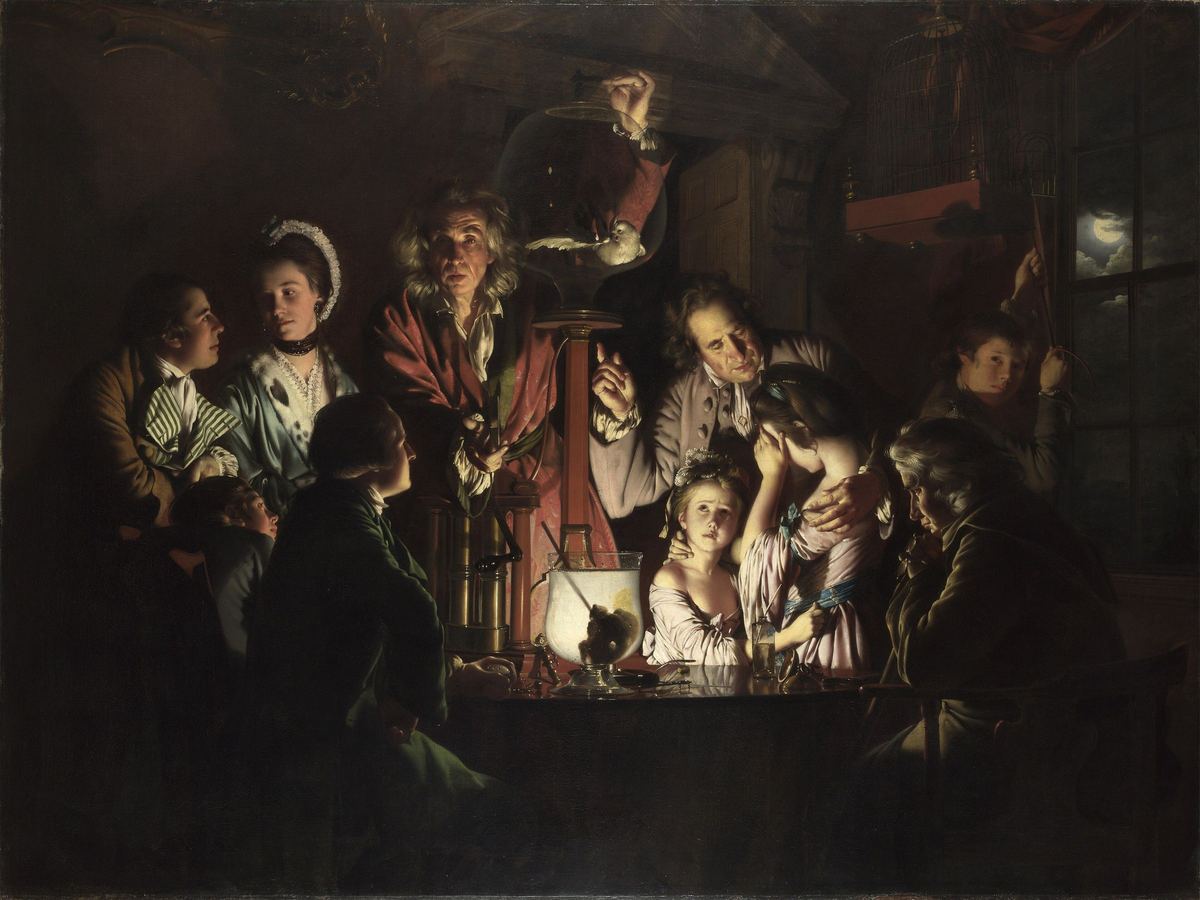
A risky prediction is one a theory could easily have failed: it forbids a narrow set of outcomes rather than accommodating almost anything after the fact.
1The problem it solves
Evidence is more informative when the observed outcome would have been surprising under the theory’s rivals or when the theory exposed itself to genuine failure. Popper emphasizes risk because flexible theories can accumulate apparent confirmations cheaply. Specificity, pre-specification, and low probability of success by chance make a passed test epistemically valuable.
2The idea
The measure of a theory's content is how much it forbids. A prediction is risky when it could easily have come out otherwise and the theory would have been dead if it had.
3Origin & context
Central to Karl Popper’s falsificationist picture and his admiration for Einstein’s eclipse prediction. The notion later connects naturally to likelihood ratios, severity, pre-registration, and Lakatos’s requirement of novel predictions.
4Canonical example
Einstein predicted a specific angle of light deflection. A different angle would have refuted him outright.
5Objections & replies
Objection. A prediction can be precise but not risky if everyone already expected it.
Reply. Correct. Precision alone is insufficient. Risk is contrastive: the theory must have excluded plausible outcomes or differed from serious alternatives before the result was known.
Objection. Highly risky predictions may be reckless rather than scientifically virtuous.
Reply. Risk is epistemically valuable when derived from a serious theory, not as arbitrary long-shot guessing. A lottery win is surprising but does not validate a theory that predicted it without mechanism or repeatable structure.
6Don't confuse it with
Risky prediction vs. low-probability event
Risk concerns exposure of the theory to failure relative to alternatives, not merely that the observed event was rare in isolation.
Prediction vs. retrodiction
Explaining a known fact can test constraints, but it is usually less risky because model construction may have been influenced by the fact already known.
7Common mistakes
- Calling any exact numerical forecast “risky” without asking whether rival models made the same forecast.
- Counting post-hoc accommodated facts as though they were pre-specified risks.
8In your work
Judge a model by what it says cannot happen, not by what it can accommodate after the fact.
9Check yourself
Model A predicts GDP growth between 1.9–2.1%; Model B predicts “between −2% and 6%.” Growth is 2.0%. Which passed the riskier test?
Show answer
Model A, assuming the narrow interval was specified in advance and credible rivals allowed wider outcomes. Its success excludes far more possibilities.
پیشبینیِ پرخطر پیشبینیای است که نظریه بهآسانی میتوانست در آن شکست بخورد: دامنهٔ باریکی از نتایج را مجاز میکند، نه اینکه تقریباً هر نتیجهای را پس از واقعه در خود جا دهد.
1مسئلهای که حل میکند
شاهد وقتی اطلاعاتیتر است که نتیجه زیرِ رقیبان یا زیرِ شکستِ نظریه بهآسانی انتظار نمیرفت. پوپر بر خطر تأکید میکند چون نظریهٔ انعطافپذیر میتواند تأییدِ ظاهری را ارزان جمع کند. مشخصبودن، پیشثبت و احتمالِ کمِ موفقیتِ تصادفی آزمون را ارزشمند میکنند.
2ایدهٔ اصلی
سنجهٔ محتوای یک نظریه، میزانِ چیزهایی است که ممنوع میکند. پیشبینی وقتی پرخطر است که بهآسانی میتوانست جور دیگری درآید و در آن صورت نظریه مرده بود.
3خاستگاه و زمینه
در تصویرِ ابطالگرایانهٔ کارل پوپر مرکزی است و با ستایشِ او از پیشبینیِ کسوفِ اینشتین پیوند دارد. بعدها به نسبتِ درستنمایی، شدتِ آزمون، پیشثبت و پیشبینیِ تازهٔ لاکاتوش نزدیک میشود.
4مثالِ کلاسیک
اینشتین زاویهٔ مشخصی از انحرافِ نور را پیشبینی کرد. زاویهای متفاوت او را یکسره ابطال میکرد.
5اعتراضها و پاسخها
اعتراض. پیشبینی میتواند دقیق باشد اما پرخطر نباشد اگر همه همان را انتظار داشته باشند.
پاسخ. درست. دقت کافی نیست. خطر مقایسهای است: نظریه باید پیش از نتیجه پیامدهای ممکنِ جدی را منع کرده یا با رقیبان تفاوت داشته باشد.
اعتراض. پیشبینیِ خیلی پرخطر ممکن است فقط بیپروا باشد نه علمی.
پاسخ. خطر وقتی ارزشِ معرفتی دارد که از نظریهٔ جدی بیاید، نه از حدسِ دور. برندهشدنِ بختآزمایی شگفتانگیز است اما نظریهای را که بیسازوکار آن را حدس زده معتبر نمیکند.
6با اینها اشتباه نگیرید
پیشبینیِ پرخطر و رویدادِ کماحتمال
خطر دربارهٔ در معرضِ شکست بودنِ نظریه نسبت به بدیلهاست، نه فقط نادر بودنِ خودِ رویداد.
پیشبینی و پستبیین
توضیحِ واقعیتِ از پیش معلوم ممکن است محدودیت ایجاد کند، اما معمولاً خطرِ کمتری دارد چون ساختِ مدل از همان واقعیت اثر پذیرفته است.
7خطاهای رایج
- پرخطر نامیدنِ هر پیشبینیِ عددیِ دقیق بدون پرسیدنِ اینکه رقیبان چه میگفتند.
- شمردنِ واقعیتهای جذبشده پس از واقعه بهعنوان خطرهای پیشاپیش.
8در کارِ شما
مدل را با آنچه میگوید نمیتواند رخ دهد بسنجید، نه با آنچه پس از وقوع میتواند توجیه کند.
9خودآزمایی
مدل A رشد را ۱.۹ تا ۲.۱٪ و مدل B بین −۲ تا ۶٪ پیشبینی میکند. رشد ۲٪ میشود. کدام آزمون پرخطرتر را پشت سر گذاشت؟
نمایش پاسخ
مدل A، اگر بازهٔ باریک از پیش تعیین شده و بدیلهای جدی دامنهٔ وسیعتری داده باشند. موفقیتِ آن امکانهای بسیار بیشتری را منع کرده بود.