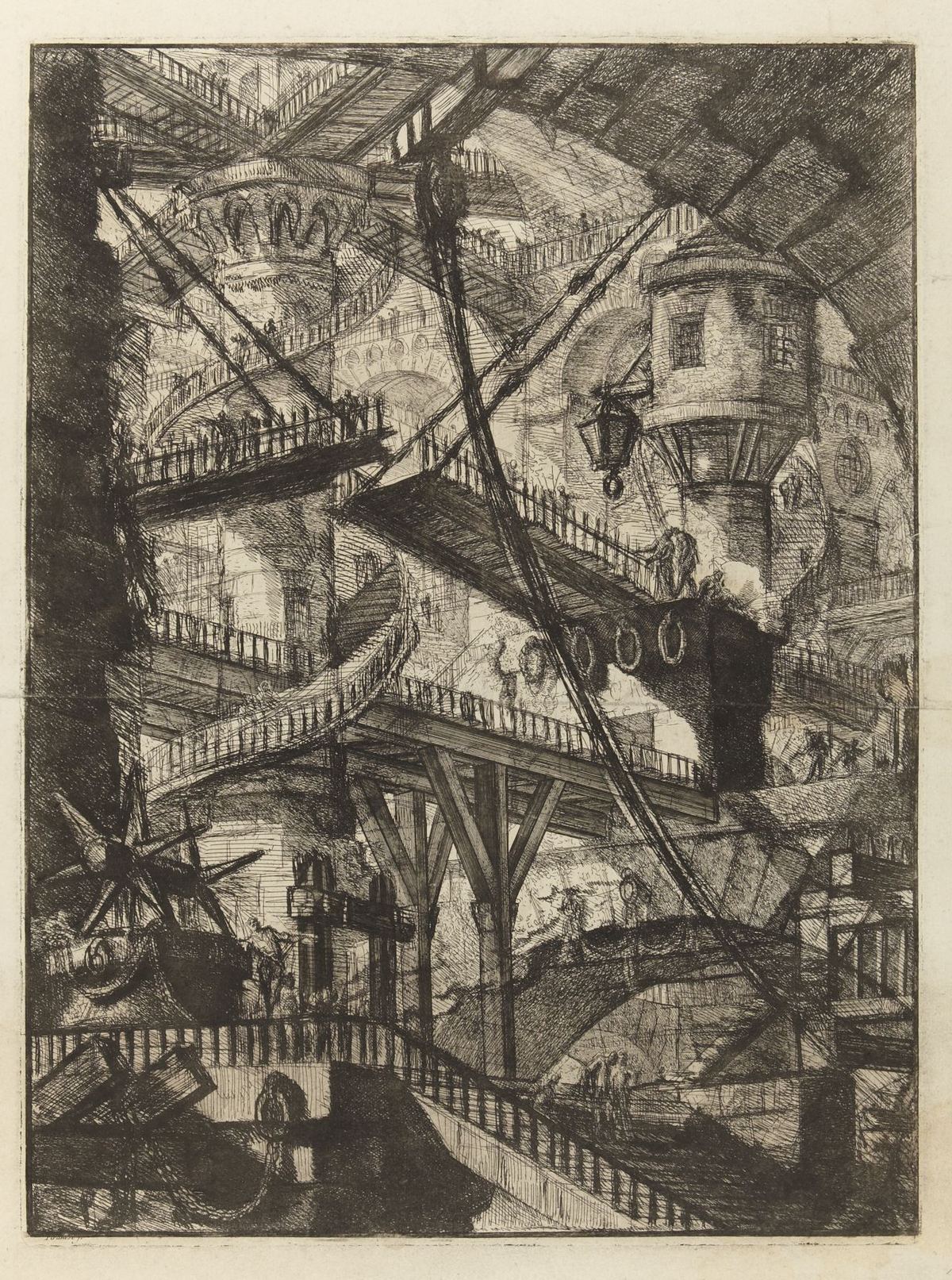
A belief is justified by fitting into a mutually supporting web of beliefs, not by tracing back to a privileged foundation.
1The problem it solves
If linear chains either regress forever or stop arbitrarily, one response is to reject the chain picture. Coherentism treats justification as a property of a system: consistency, explanatory integration, and mutual support can make the whole web more credible even though no single belief sits outside the web as its foundation.
2The idea
Take the second horn, but widen the circle until it stops looking like a circle. Coherentism denies that beliefs form a chain resting on a base at all. They form a web, and what justifies any strand is how well the whole structure hangs together — its consistency, its mutual support, its explanatory fit.
Neurath's image is the standard one: we are sailors who must rebuild the ship plank by plank while at sea, never able to put it in dry dock and start from bare timber. There is no outside vantage point, only the ongoing work of making the structure hold.
3Origin & context
Laurence BonJour is a central contemporary defender; Quine popularized the web-of-belief image, and Neurath supplied the ship-at-sea metaphor. The view pushes against foundationalism and the idea that some beliefs must possess a special non-inferential privilege.
4Canonical example
No single study in a mature empirical literature is foundational. The credibility lives in how the results fit each other.
5Objections & replies
Objection. A perfectly coherent fairy tale can be false, so coherence does not guarantee contact with reality.
Reply. Coherentists usually answer that epistemic coherence is richer than mere logical consistency: it includes explanatory power, comprehensiveness, and especially integration of perceptual and experiential inputs. The objection remains a pressure to explain why those inputs constrain the web rather than merely join it.
Objection. Mutual support looks circular: belief A supports B and B supports A.
Reply. The coherentist replies that system-level support is not the same as a two-premise vicious circle. The claim is holistic: justification supervenes on the structure of many relations across the network. Critics then ask how much circularity can be tolerated before the distinction collapses.
6Don't confuse it with
Coherence theory of truth
Epistemic coherentism is a theory of justification. You can say coherence justifies a belief while still holding that truth itself is correspondence with reality.
Consensus
A group can agree because everyone copied the same source. Coherence requires evidential and explanatory relations, not merely social agreement or repeated assertion.
7Common mistakes
- Counting many dependent pieces of evidence as independent strands in the web.
- Treating absence of contradiction as sufficient; a thin but consistent story can still explain very little and connect poorly to experience.
8In your work
This is how a body of evidence actually earns trust. It also tells you where such a body is fragile: if the strands are not independent, the web is one strand wearing many names.
9Check yourself
Five studies point the same way, but all use the same database, same coding rule, and same identification assumption. Does coherentism automatically give you five strands of support?
Show answer
No. The web is strong only if the strands supply genuinely different support. Shared dependencies can make apparent coherence one assumption echoed five times; the independence structure matters.
یک باور بهسببِ جاگرفتن در شبکهای از باورهای پشتیبانِ یکدیگر موجه میشود، نه بهسببِ رسیدن به بنیادی ممتاز.
1مسئلهای که حل میکند
اگر زنجیرههای خطی یا تا بینهایت بروند یا دلبخواهی متوقف شوند، یک پاسخ این است که تصویرِ «زنجیره» را کنار بگذاریم. انسجامگرایی توجیه را ویژگیِ یک نظام میداند: سازگاری، یکپارچگیِ تبیینی و پشتیبانیِ متقابل میتواند کلِ شبکه را معتبرتر کند، هرچند هیچ باورِ منفردی بیرون از شبکه بهعنوان بنیاد ننشسته باشد.
2ایدهٔ اصلی
شاخ دوم را بپذیرید، اما دایره را چنان بزرگ کنید که دیگر شبیه دور نباشد. انسجامگرایی اساساً منکر آن است که باورها زنجیرهای بر یک پایه باشند. آنها یک شبکه میسازند و آنچه هر رشته را موجه میکند، میزان بههمپیوستگیِ کل ساختار است: سازگاری، پشتیبانی متقابل و تناسب تبیینی.
تصویر نویرات معروف است: ما ملوانانی هستیم که باید کشتی را تختهبهتخته در میان دریا بازسازی کنیم و هرگز نمیتوانیم آن را به خشکی ببریم و از چوب خام آغاز کنیم. نقطهٔ نظرِ بیرونی وجود ندارد؛ تنها کارِ پیوستهٔ نگهداشتنِ ساختار هست.
3خاستگاه و زمینه
لارنس بونژور از مدافعانِ مهمِ معاصر است؛ کواین تصویرِ «شبکهٔ باور» را مشهور کرد و نویرات استعارهٔ کشتی در دریا را داد. موضع علیه مبناگرایی و این ایده است که برخی باورها باید امتیازی خاص و غیراستنتاجی داشته باشند.
4مثالِ کلاسیک
در یک ادبیات تجربیِ پخته، هیچ پژوهش منفردی بنیادی نیست. اعتبار در نحوهٔ جفتشدن نتایج با یکدیگر نهفته است.
5اعتراضها و پاسخها
اعتراض. یک افسانه میتواند کاملاً منسجم و در عین حال کاذب باشد؛ پس انسجام تماس با واقعیت را تضمین نمیکند.
پاسخ. انسجامگرایان معمولاً میگویند انسجامِ معرفتی بیش از سازگاریِ منطقی است: قدرتِ تبیینی، جامعیت و بهویژه ادغامِ ورودیهای ادراکی و تجربی را نیز دربر میگیرد. با این حال اعتراض همچنان فشار میآورد که توضیح دهند چرا این ورودیها شبکه را مقید میکنند و صرفاً عضوی از آن نمیشوند.
اعتراض. پشتیبانیِ متقابل شبیه دور است: الف از ب پشتیبانی میکند و ب از الف.
پاسخ. پاسخ این است که پشتیبانی در سطحِ نظام با دورِ دوگزارهای یکی نیست. ادعا کلگرایانه است: توجیه بر ساختارِ روابطِ بسیار در شبکه متکی است. منتقد سپس میپرسد تا چه اندازه دور را میتوان پذیرفت پیش از آنکه این تمایز فروبریزد.
6با اینها اشتباه نگیرید
نظریهٔ انسجامیِ حقیقت
انسجامگراییِ معرفتی نظریهای دربارهٔ توجیه است. میتوان گفت انسجام باور را موجه میکند و همزمان حقیقت را مطابقت با واقع دانست.
اجماع
گروهی ممکن است فقط چون همه از یک منبع کپی کردهاند توافق داشته باشند. انسجام به روابطِ شاهدی و تبیینی نیاز دارد، نه صرفاً توافقِ اجتماعی یا تکرارِ ادعا.
7خطاهای رایج
- شمردنِ چند شاهدِ وابسته بهعنوان رشتههای مستقل در شبکه.
- کافیدانستنِ نبودِ تناقض؛ داستانی کممحتوا اما سازگار میتواند همچنان تبیینِ کمی داشته و اتصالِ ضعیفی به تجربه داشته باشد.
8در کارِ شما
اعتماد به یک مجموعهٔ شواهد در عمل اینگونه ساخته میشود. همچنین نقطهٔ ضعف را نشان میدهد: اگر رشتهها مستقل نباشند، شبکه در واقع یک رشته است با نامهای گوناگون.
9خودآزمایی
پنج پژوهش به یک نتیجه میرسند، اما همه از همان پایگاه داده، همان کدنویسی و همان فرضِ شناسایی استفاده میکنند. آیا انسجامگرایی خودکار پنج رشتهٔ پشتیبانی به شما میدهد؟
نمایش پاسخ
نه. شبکه فقط وقتی قوی است که رشتهها پشتیبانیِ واقعاً متفاوت بدهند. وابستگیِ مشترک میتواند انسجامِ ظاهری را به یک فرض تبدیل کند که پنج بار تکرار شده؛ ساختارِ استقلال مهم است.