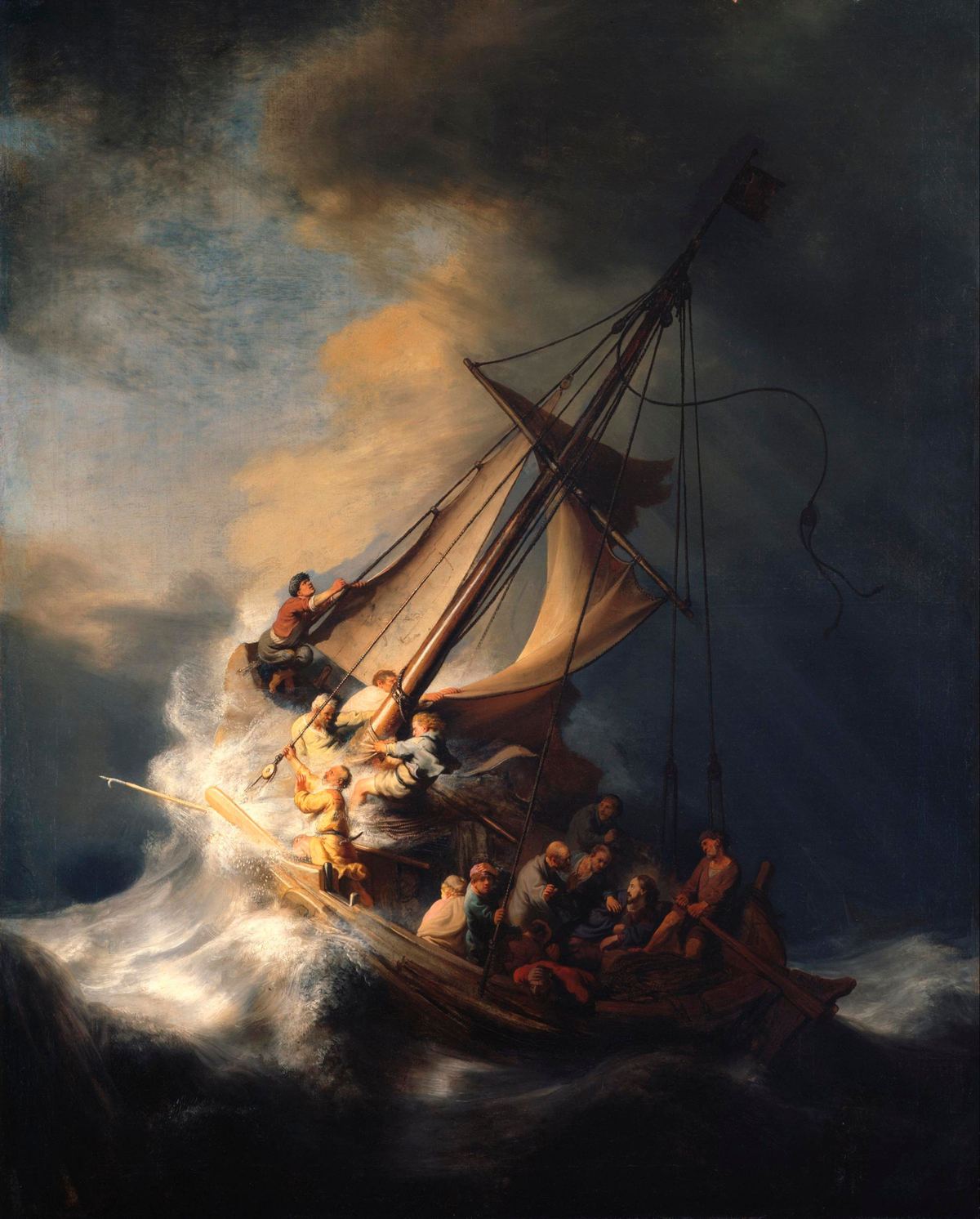
Clifford says insufficient evidence makes belief itself ethically wrong; James replies that some live, forced, momentous choices rationally permit commitment before evidence can decide.
1The problem it solves
The debate separates two dangers: credulity and paralysis. Clifford emphasizes the social and moral costs of training ourselves to believe carelessly; James emphasizes cases where withholding belief is not neutral because the opportunity can disappear or participation helps make the evidence available. The issue generalizes to decisions under irreducible uncertainty.
2The idea
Clifford's rule is uncompromising: it is wrong always, everywhere, and for anyone to believe anything upon insufficient evidence. His case is a shipowner who talks himself into believing his vessel seaworthy. The ship sinks. Clifford's point is that the owner was culpable before it sank — the wrong was in the believing.
James replies that for a certain class of choices — live, forced, and momentous, where the evidence cannot decide and not choosing is itself a choice — Clifford's rule is not cautious but paralysing.
3Origin & context
W.K. Clifford’s “The Ethics of Belief” (1877) uses the negligent shipowner to argue that careless believing is wrong even if luck prevents harm. William James’s “The Will to Believe” (1896) answers that Clifford’s rule is too restrictive for genuinely live, forced, and momentous options that evidence cannot settle in time.
4Canonical example
You must decide now, the evidence is genuinely indecisive, and declining to decide has consequences of its own. Clifford says withhold; James says that is not available.
5Objections & replies
Objection. James licenses wishful thinking whenever evidence is inconvenient.
Reply. His permission is narrow: the option must be live, forced, momentous, and intellectually undecidable. Ordinary empirical questions where more evidence can be gathered do not qualify.
Objection. Clifford’s rule is impossible because most everyday beliefs rest on testimony we have not personally verified.
Reply. Clifford need not require first-hand verification of everything; testimony can itself be evidence. The harder question is what counts as sufficient evidence and who bears responsibility for checking it.
6Don't confuse it with
The ethics of belief vs. epistemic justification
A belief might be epistemically supported yet morally harmful to hold or express; conversely a morally understandable belief may still be poorly supported.
Jamesian permission vs. believing whatever is comforting
James’s category is constrained by the structure of the choice, not by emotional preference alone.
7Common mistakes
- Using James to excuse empirical beliefs that are perfectly testable but inconvenient to test.
- Reading Clifford as “never act under uncertainty”; his target is irresponsible belief formation, not the impossibility of certainty.
8In your work
Generalises far beyond religion. It is the exact structure of every decision that must be made under irreducible uncertainty on a deadline — which is most of them.
9Check yourself
A decision must be made tomorrow, the evidence cannot be improved before then, and declining to choose guarantees losing the opportunity. Which side of the Clifford–James debate becomes especially relevant?
Show answer
James’s. The option may be forced and momentous, so withholding is itself a consequential choice. That does not make any belief true; it changes what commitment may be rationally permissible.
کلیفورد میگوید باور بر شواهدِ ناکافی خود از نظر اخلاقی خطاست؛ جیمز پاسخ میدهد بعضی انتخابهای زنده، اجباری و مهم پیش از آنکه شاهد بتواند تصمیم بگیرد تعهد را عقلانی میکنند.
1مسئلهای که حل میکند
نزاع دو خطر را جدا میکند: سادهباوری و فلجِ تصمیم. کلیفورد بر هزینهٔ فردی و اجتماعیِ عادتکردن به باورِ بیمبالات تأکید دارد؛ جیمز بر مواردی که تعلیق بیطرف نیست چون فرصت از دست میرود یا خودِ مشارکت بخشی از شرایطِ کسبِ شاهد است. ساختار فراتر از دین و در تصمیمگیریِ زیرِ عدمِقطعیت کاربرد دارد.
2ایدهٔ اصلی
قاعدهٔ کلیفورد سازشناپذیر است: همیشه، همهجا و برای هر کس نادرست است که چیزی را بر پایهٔ شواهدِ ناکافی باور کند. مثالِ او صاحبِ کشتیای است که خود را قانع میکند کشتی دریانورد است. کشتی غرق میشود. نکتهٔ کلیفورد این است که صاحبِ کشتی پیش از غرقشدن مقصر بود — گناه در خودِ باورکردن بود.
جیمز پاسخ میدهد که برای دستهای از انتخابها — زنده، ناگزیر و سرنوشتساز، آنجا که شواهد نمیتواند تصمیم بگیرد و انتخابنکردن خود یک انتخاب است — قاعدهٔ کلیفورد نه محتاطانه بلکه فلجکننده است.
3خاستگاه و زمینه
مقالهٔ «اخلاقِ باور» دبلیو.کی. کلیفورد (۱۸۷۷) با مثالِ صاحبِ کشتیِ سهلانگار استدلال میکند باورِ بیمبالات حتی اگر خوششانسی جلوی آسیب را بگیرد خطاست. ویلیام جیمز در «ارادهٔ باور» (۱۸۹۶) میگوید این قاعده برای گزینههای زنده، اجباری و سرنوشتساز که شاهد بهموقع حلشان نمیکند بیشازحد محدودکننده است.
4مثالِ کلاسیک
باید همین حالا تصمیم بگیرید، شواهد واقعاً بیطرف است و تصمیمنگرفتن خود پیامد دارد. کلیفورد میگوید تعلیق کنید؛ جیمز میگوید این گزینه در دسترس نیست.
5اعتراضها و پاسخها
اعتراض. جیمز هر وقت شاهد ناخوشایند باشد مجوزِ آرزواندیشی میدهد.
پاسخ. مجوزِ او محدود است: گزینه باید زنده، اجباری، مهم و از نظر فکری در آن لحظه حلناشدنی باشد. پرسشِ تجربیِ عادی که میتوان برایش شاهد جمع کرد مشمول نیست.
اعتراض. قاعدهٔ کلیفورد ناممکن است چون بیشترِ باورهای روزمره بر گواهیای استوارند که خودمان بررسی نکردهایم.
پاسخ. کلیفورد الزاماً راستیآزماییِ شخصیِ همهچیز را نمیخواهد؛ خودِ گواهی میتواند شاهد باشد. پرسشِ دشوار این است که «کافی» چه مقدار است و مسئولیتِ بررسی کجا قرار دارد.
6با اینها اشتباه نگیرید
اخلاقِ باور و توجیهِ معرفتی
باوری میتواند از نظر معرفتی پشتیبانیشده اما از نظر اخلاقی زیانبار باشد؛ یا از نظر اخلاقی قابلفهم اما از نظر شاهدی ضعیف.
مجوزِ جیمزی و باور به هر چیزِ آرامشبخش
شرطِ جیمز از ساختارِ انتخاب میآید، نه صرفاً ترجیحِ احساسی.
7خطاهای رایج
- استفاده از جیمز برای توجیهِ باورهای تجربیای که کاملاً آزمونپذیرند اما آزمونشان ناراحتکننده است.
- خواندنِ کلیفورد بهعنوان «هرگز زیرِ عدمِقطعیت عمل نکن»؛ هدفِ او باورِ غیرمسئولانه است نه مطالبهٔ یقین.
8در کارِ شما
بسیار فراتر از دین تعمیم مییابد. ساختارِ دقیقِ هر تصمیمی است که باید زیر عدمِقطعیتِ کاهشناپذیر و در مهلتی معین گرفته شود — یعنی بیشترِ تصمیمها.
9خودآزمایی
فردا باید تصمیم بگیرید، پیش از آن نمیتوان شواهد را بهتر کرد و انتخابنکردن حتماً فرصت را از بین میبرد. کدام سوی نزاعِ کلیفورد–جیمز برجسته میشود؟
نمایش پاسخ
جیمز. گزینه ممکن است اجباری و مهم باشد، پس تعلیق خودش انتخابی پیامددار است. این هیچ باوری را صادق نمیکند؛ فقط شرایطِ مجازبودنِ تعهد را تغییر میدهد.