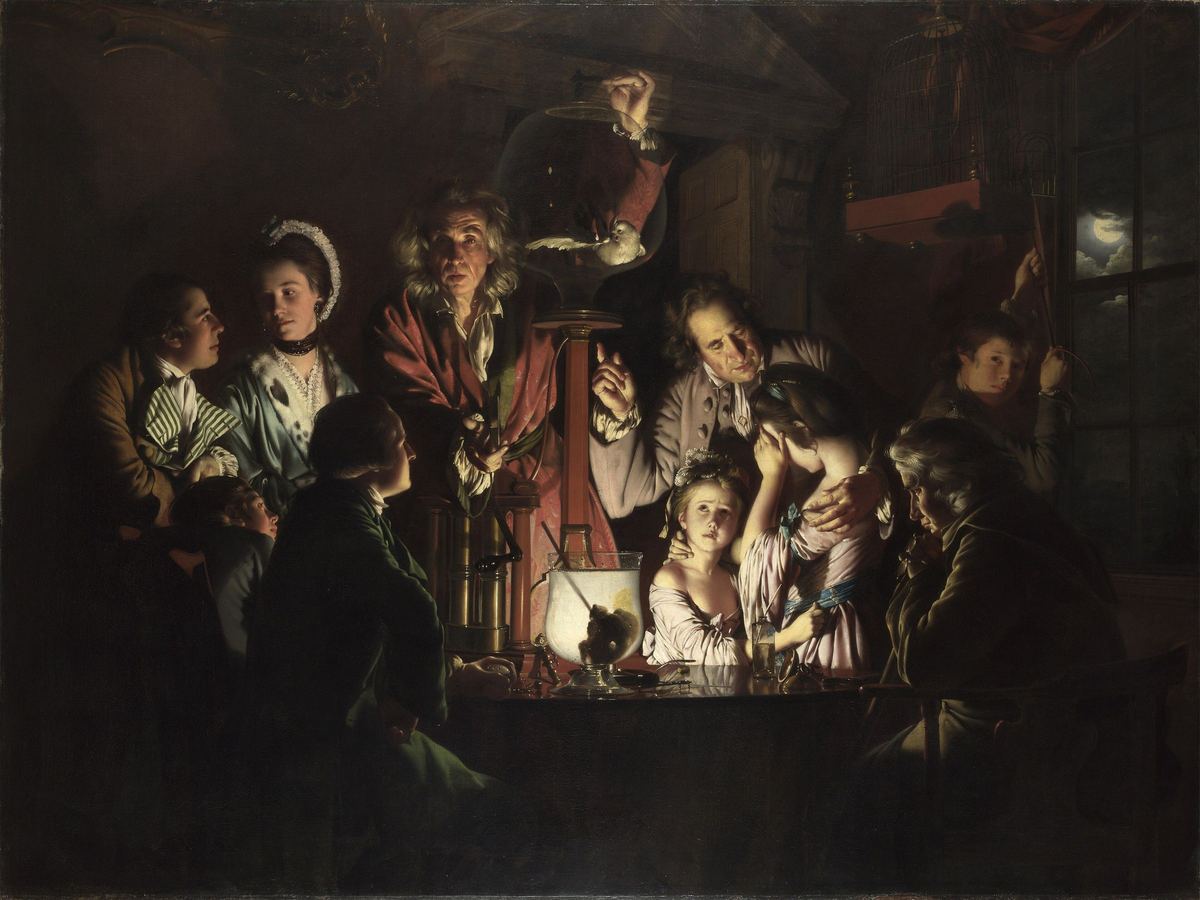
You never test a hypothesis alone — you test it bundled with every auxiliary assumption the test relies on, and a failure only tells you something in the bundle is wrong.
1The problem it solves
Popper's method needs a clean refutation: predict X, observe not-X, discard the theory. Duhem noticed that this never happens in a laboratory. The prediction was derived from the hypothesis plus assumptions about the instrument, the sample, the background theory, and the absence of interference. Logic condemns the conjunction, not any particular conjunct.
2The idea
Suppose a telescope fails to show the predicted stellar parallax. The candidate culprits are: the astronomical theory, the optics of the lens, the assumed distance to the star, atmospheric conditions, the observer's competence, and the auxiliary claim that nothing else interferes. The observation refutes their conjunction. It says nothing about which member to abandon.
Quine radicalised this into confirmation holism: our beliefs face experience as a corporate body, and any statement can be held true come what may if we make drastic enough adjustments elsewhere in the system. Even logic and mathematics are, in principle, revisable.
The practical consequence is that choosing which element to blame is a judgment, not a deduction — and it is precisely where scientific controversy actually lives.
3Origin & context
Pierre Duhem, La Théorie physique (1906), arguing there is no crucial experiment in physics. W.V.O. Quine extended it far more aggressively in 'Two Dogmas of Empiricism' (1951), where it becomes an argument against the analytic/synthetic distinction as well. The two theses are usually bundled, though Duhem restricted his claim to physics and would not have endorsed Quine's version.
4Canonical example
The telescope disconfirms the prediction. Is the theory wrong, or the lens, or the atmosphere, or the observer?
5Objections & replies
Objection. In practice we do know which assumption to blame. Nobody seriously suspects the laws of arithmetic when a reading comes out odd.
Reply. True, and this is the standard reply: background assumptions differ enormously in how well-tested and independently supported they are. But that reply concedes the logical point and replaces it with a judgment about relative credibility — which is exactly Duhem's claim about how physics really works.
Objection. If any statement can be held true come what may, science becomes unfalsifiable and anything goes.
Reply. Quine's thesis is about logical possibility, not licence. Holding a statement true 'come what may' has costs that ramify through the system, and those costs are what discipline the choice. Feyerabend drew the anything-goes conclusion; most philosophers of science do not.
6Don't confuse it with
Underdetermination
Related but distinct. Duhem–Quine is about the logic of testing — a failed test does not localise blame. Underdetermination is about theory choice — multiple theories fit the same total evidence. The first is a problem for refutation; the second for confirmation.
Ad hoc rescue
Duhem–Quine says adjusting an auxiliary is always logically available. Ad hoc rescue is the abuse of that freedom. The thesis describes the escape hatch; Lakatos supplies the test for whether using it was legitimate.
7Common mistakes
- Treating it as a refutation of Popper rather than a constraint on him. Popper accepted the point and answered with methodological rules.
- Concluding that testing is pointless. It shows tests are less surgical than advertised, not that they carry no information.
- Forgetting that it cuts both ways: your critics can also deflect your evidence onto an auxiliary. Knowing your own bundle is a defensive skill.
8In your work
Write out the auxiliary assumptions of any specification before you defend it. That list is the complete set of escape hatches — yours and your critics'. Knowing them in advance is the difference between a defence and an improvisation.
9Check yourself
Your specification produces a null result on an effect you expected. List the bundle before you conclude anything. What is on it?
Show answer
At minimum: the causal hypothesis itself; the functional form; the identification strategy's assumptions; the measurement validity of your proxies; the sample's representativeness; the time period's regime stability; and the power of the test to detect an effect of that size. The null condemns the conjunction. Reporting it as evidence against the hypothesis alone is a claim about which member you have independently ruled out — and that claim needs its own defence.
شما هرگز یک فرضیه را تنها نمیآزمایید — آن را همراه با تمامِ فرضهای کمکیای که آزمون بر آنها تکیه دارد میآزمایید، و شکست تنها میگوید چیزی در آن بسته نادرست است.
1مسئلهای که حل میکند
روشِ پوپر به ابطالی تمیز نیاز دارد: ایکس را پیشبینی کن، نهایکس را مشاهده کن، نظریه را دور بینداز. دوئم دریافت که این هرگز در آزمایشگاه رخ نمیدهد. پیشبینی از فرضیه بهعلاوهٔ فرضهایی دربارهٔ ابزار، نمونه، نظریهٔ پسزمینه و نبودِ مداخله استنتاج شده بود. منطق، عطفِ همهٔ اینها را محکوم میکند، نه هیچ جزءِ معینی را.
2ایدهٔ اصلی
فرض کنید تلسکوپ اختلافِ منظرِ ستارهایِ پیشبینیشده را نشان نمیدهد. مظنونان عبارتاند از: نظریهٔ نجومی، اپتیکِ عدسی، فاصلهٔ مفروضِ ستاره، شرایطِ جوی، شایستگیِ ناظر، و این ادعای کمکی که چیز دیگری مداخله نمیکند. مشاهده عطفِ اینها را ابطال میکند و دربارهٔ اینکه کدام عضو را رها کنیم چیزی نمیگوید.
کواین این را به «کلگراییِ تأیید» رادیکال کرد: باورهای ما همچون یک پیکرِ واحد با تجربه روبهرو میشوند، و هر گزارهای را میتوان با هر پیشامدی صادق نگه داشت، به شرط آنکه تعدیلهایی بهقدر کافی سنگین در جای دیگرِ نظام بپذیریم. حتی منطق و ریاضیات نیز اصولاً بازنگریپذیرند.
پیامدِ عملی این است که انتخابِ عنصرِ مقصر یک داوری است نه یک استنتاج — و دقیقاً همانجاست که مناقشهٔ علمی واقعاً زندگی میکند.
3خاستگاه و زمینه
پیر دوئم، نظریهٔ فیزیکی (۱۹۰۶)، با این استدلال که در فیزیک آزمایشِ سرنوشتساز وجود ندارد. کواین آن را در «دو حکمِ جزمیِ تجربهگرایی» (۱۹۵۱) بسیار تهاجمیتر بسط داد، جایی که به استدلالی علیه تمایزِ تحلیلی/ترکیبی نیز بدل میشود. این دو تز معمولاً با هم بستهبندی میشوند، هرچند دوئم ادعایش را به فیزیک محدود کرده بود و روایتِ کواین را تأیید نمیکرد.
4مثالِ کلاسیک
تلسکوپ پیشبینی را نقض میکند. نظریه غلط است، یا عدسی، یا جو، یا خودِ ناظر؟
5اعتراضها و پاسخها
اعتراض. در عمل میدانیم کدام فرض را مقصر بدانیم. وقتی قرائتی عجیب درمیآید هیچکس جداً به قوانینِ حساب مشکوک نمیشود.
پاسخ. درست است، و پاسخِ متعارف همین است: فرضهای پسزمینه از نظر میزانِ آزمودهشدن و پشتیبانیِ مستقل بسیار با هم فرق دارند. اما این پاسخ نکتهٔ منطقی را میپذیرد و بهجایش داوریای دربارهٔ اعتبارِ نسبی میگذارد — و این دقیقاً ادعای دوئم دربارهٔ کارکردِ واقعیِ فیزیک است.
اعتراض. اگر هر گزارهای را بتوان با هر پیشامدی صادق نگه داشت، علم ابطالناپذیر میشود و «هر چیزی رواست».
پاسخ. تزِ کواین دربارهٔ امکانِ منطقی است، نه اجازه. صادق نگهداشتنِ یک گزاره «به هر قیمت» هزینههایی دارد که در سراسرِ نظام پخش میشود، و همان هزینههاست که انتخاب را منضبط میکند. فایرابند نتیجهٔ «هر چیزی رواست» را گرفت؛ بیشترِ فیلسوفانِ علم نمیگیرند.
6با اینها اشتباه نگیرید
تعیّنناقص
مرتبط اما متمایز. دوئمـکواین دربارهٔ منطقِ آزمون است — آزمونِ شکستخورده تقصیر را مکانیابی نمیکند. تعیّنناقص دربارهٔ انتخابِ نظریه است — چند نظریه با کلِ شواهد جور درمیآیند. اولی مشکلی برای ابطال است و دومی برای تأیید.
ترمیمِ موردی
دوئمـکواین میگوید تعدیلِ یک فرضِ کمکی همیشه از نظر منطقی در دسترس است. ترمیمِ موردی سوءاستفاده از همین آزادی است. این تز درِ فرار را توصیف میکند؛ لاکاتوش آزمونِ مشروعبودنِ استفاده از آن را فراهم میآورد.
7خطاهای رایج
- برداشتِ آن بهعنوان ابطالِ پوپر بهجای محدودیتی بر او. پوپر نکته را پذیرفت و با قواعدِ روششناختی پاسخ داد.
- نتیجهگیریِ اینکه آزمون بیفایده است. نشان میدهد آزمونها کمتر از آنچه تبلیغ میشود جراحیگونهاند، نه اینکه هیچ اطلاعاتی ندارند.
- فراموشکردنِ اینکه دو لبه دارد: منتقدانِ شما هم میتوانند شواهدِ شما را به فرضی کمکی حواله دهند. شناختِ بستهٔ خودتان مهارتی تدافعی است.
8در کارِ شما
پیش از دفاع از هر مشخصهبندی، فرضهای کمکیاش را بنویسید. آن فهرست، مجموعهٔ کاملِ درهای فرار است — هم برای شما و هم برای منتقدانتان. دانستنِ پیشاپیشِ آنها تفاوتِ میان دفاع و بداههگویی است.
9خودآزمایی
مشخصهبندیِ شما دربارهٔ اثری که انتظار داشتید نتیجهٔ صفر میدهد. پیش از هر نتیجهگیری، بسته را فهرست کنید. چه چیزهایی در آن است؟
نمایش پاسخ
دستکم: خودِ فرضیهٔ علّی؛ صورتِ تابعی؛ فرضهای راهبردِ شناسایی؛ اعتبارِ سنجشِ متغیرهای جانشین؛ نمایندگیِ نمونه؛ ثباتِ رژیم در بازهٔ زمانی؛ و توانِ آزمون برای تشخیصِ اثری در آن اندازه. نتیجهٔ صفر عطفِ اینها را محکوم میکند. گزارشِ آن بهعنوان شاهدی علیه فرضیه بهتنهایی، ادعایی است دربارهٔ اینکه کدام عضو را مستقلاً رد کردهاید — و آن ادعا خود به دفاع نیاز دارد.