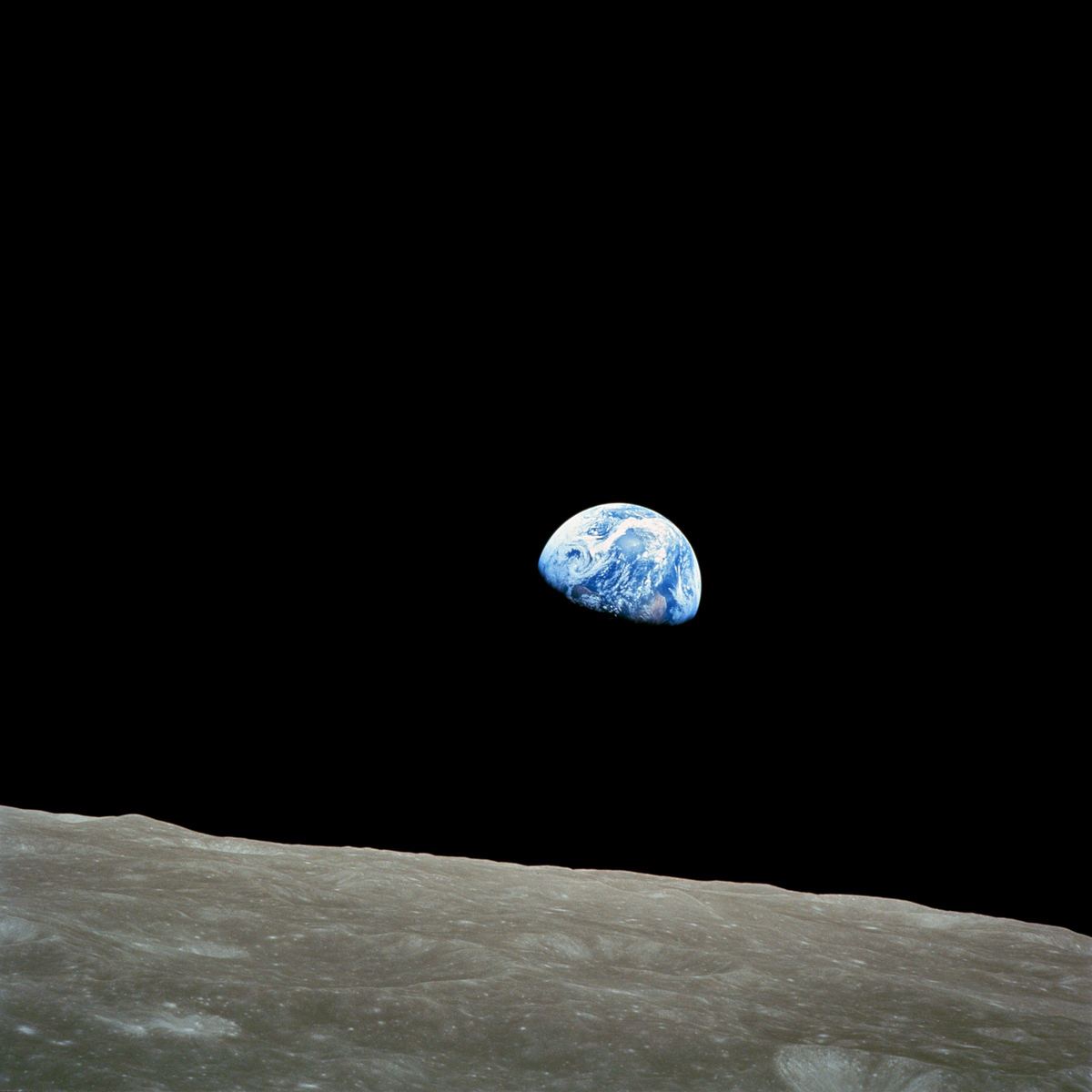
A proposition is true when reality is as the proposition says it is: truth consists in a correspondence between truth-bearer and world.
1The problem it solves
Knowledge requires truth, so a natural question is what makes a proposition true. Correspondence theory gives the realist answer: beliefs and sentences do not become true because they are coherent, useful, or accepted; they are true because the world has the relevant facts or states of affairs.
2The idea
A proposition is true when it corresponds to how things actually stand, independently of what anyone believes. Aristotle's formulation is still the clearest: to say of what is that it is, is true.
This is the default assumption of empirical work, and it is what gives evidence its point. If truth were not answerable to the world, gathering data would be a strange thing to do.
3Origin & context
The idea is ancient and commonly linked to Aristotle; modern versions run through Russell and formal work such as Tarski’s semantic conception. The main pressure is not the ordinary intuition but the metaphysics: what exactly are facts, truth-makers, and the correspondence relation for abstract, modal, negative, or statistical claims?
4Canonical example
“The bridge is 400 metres long” is true if and only if the bridge is 400 metres long.
5Objections & replies
Objection. What exactly does a sentence 'correspond' to, especially for claims like 'there are no unicorns' or 'inflation expectations rose'?
Reply. Defenders need not posit a picture-like matching relation. Modern correspondence views can say truth depends on how the world is—its objects, properties, relations, absences, or truth-making conditions—without requiring each sentence to map to a single concrete object.
Objection. We cannot step outside our language and beliefs to compare them with reality 'as it is in itself.'
Reply. That is an epistemic objection to our access, not yet a metaphysical objection to what truth is. A correspondence theorist can be fallibilist about knowing the match while still holding that the match, not our confidence, makes the claim true.
6Don't confuse it with
Correspondence theory and direct realism
Correspondence is a theory of truth; direct realism is a theory of perception. You can believe truth corresponds to reality while thinking perception reaches it only indirectly.
Truth and verification
A proposition may be true even when nobody can currently verify it. Correspondence does not define truth by our test for truth.
7Common mistakes
- Imagining correspondence must be a literal one-to-one resemblance between sentence and object.
- Using 'it corresponds with the data' as if data agreement alone settled truth; data themselves can be noisy, selective, or theory-laden.
8In your work
The working assumption behind any factual finding. It is also what a finding of fact promises: not internal consistency, but answerability to the world.
9Check yourself
A perfectly coherent economic model says unemployment is 4%, but the actual population state makes the relevant statistic 6%. What does correspondence theory say?
Show answer
The 4% proposition is false despite coherence. What makes the proposition true or false is the relevant worldly state, not its fit with the rest of the model.
یک گزاره زمانی صادق است که واقعیت همانگونه باشد که گزاره میگوید؛ حقیقت در نوعی مطابقت میان حاملِ صدق و جهان است.
1مسئلهای که حل میکند
معرفت به حقیقت نیاز دارد، پس پرسشِ طبیعی این است که چه چیزی گزاره را صادق میکند. نظریهٔ مطابقت پاسخِ واقعگرایانه میدهد: باور و جمله بهسببِ انسجام، سودمندی یا پذیرش صادق نمیشوند؛ بهسببِ آن صادقاند که جهان واقعاً واقعیت یا وضعیتِ مربوط را دارد.
2ایدهٔ اصلی
یک گزاره صادق است هرگاه با آنچه واقعاً هست مطابقت داشته باشد، مستقل از باورِ هر کس. صورتبندیِ ارسطو هنوز روشنترین است: گفتنِ اینکه آنچه هست، هست، صدق است.
این فرضِ پیشفرضِ کارِ تجربی است و همان چیزی است که به شواهد معنا میدهد. اگر صدق در برابر جهان پاسخگو نبود، گردآوری داده کارِ عجیبی میبود.
3خاستگاه و زمینه
ایده باستانی است و معمولاً به ارسطو پیوند داده میشود؛ صورتهای جدید از راسل تا کارِ صوریِ تارسکی امتداد دارند. فشارِ اصلی نه بر شهودِ روزمره بلکه بر متافیزیکِ آن است: واقعیت، حقیقتساز و رابطهٔ مطابقت برای ادعاهای انتزاعی، وجهی، سلبی یا آماری دقیقاً چیست؟
4مثالِ کلاسیک
«این پل ۴۰۰ متر است» صادق است اگر و تنها اگر آن پل ۴۰۰ متر باشد.
5اعتراضها و پاسخها
اعتراض. یک جمله دقیقاً با چه چیزی «مطابقت» میکند، بهویژه در ادعاهایی مانند «تکشاخ وجود ندارد» یا «انتظارات تورمی بالا رفت»؟
پاسخ. مدافع لازم نیست رابطهای تصویری و یکبهیک بسازد. نسخههای جدید میتوانند بگویند حقیقت به چگونگیِ جهان — اشیا، خواص، روابط، نبودها یا شرایطِ حقیقتساز — وابسته است بیآنکه هر جمله به یک شیء ملموس نگاشت شود.
اعتراض. ما نمیتوانیم بیرون از زبان و باورهایمان بایستیم و آنها را با واقعیتِ «فینفسه» مقایسه کنیم.
پاسخ. این نخست اعتراض به دسترسیِ معرفتیِ ماست، نه لزوماً به ماهیتِ حقیقت. نظریهپردازِ مطابقت میتواند دربارهٔ شناختِ این رابطه خطاپذیر باشد و همچنان بگوید خودِ رابطه، نه اطمینانِ ما، گزاره را صادق میکند.
6با اینها اشتباه نگیرید
نظریهٔ مطابقت و واقعگراییِ مستقیم
مطابقت نظریهای دربارهٔ حقیقت است؛ واقعگراییِ مستقیم نظریهای دربارهٔ ادراک. میتوان حقیقت را مطابقِ واقع دانست و در عین حال ادراک را غیرمستقیم دانست.
حقیقت و راستیآزمایی
گزاره ممکن است صادق باشد حتی اگر اکنون هیچکس نتواند آن را راستیآزمایی کند. مطابقت حقیقت را با آزمونِ ما برای حقیقت تعریف نمیکند.
7خطاهای رایج
- تصورِ اینکه مطابقت باید شباهتِ لفظبهشیءِ کاملاً یکبهیک باشد.
- استفاده از «با داده جور است» بهعنوان پایانِ مسئله؛ خودِ داده میتواند پرنویز، گزینشی یا نظریهبار باشد.
8در کارِ شما
فرضِ کاریِ هر «یافتهٔ واقع». همچنین همان چیزی است که یافتهٔ واقع وعده میدهد: نه سازگاریِ درونی، بلکه پاسخگویی در برابر جهان.
9خودآزمایی
مدلی کاملاً منسجم میگوید بیکاری ۴٪ است، اما وضعیتِ واقعیِ جمعیت آمارِ مربوط را ۶٪ میکند. نظریهٔ مطابقت چه میگوید؟
نمایش پاسخ
گزارهٔ ۴٪ با وجودِ انسجام کاذب است. آنچه گزاره را صادق یا کاذب میکند وضعیتِ مربوط در جهان است، نه هماهنگیاش با بقیهٔ مدل.