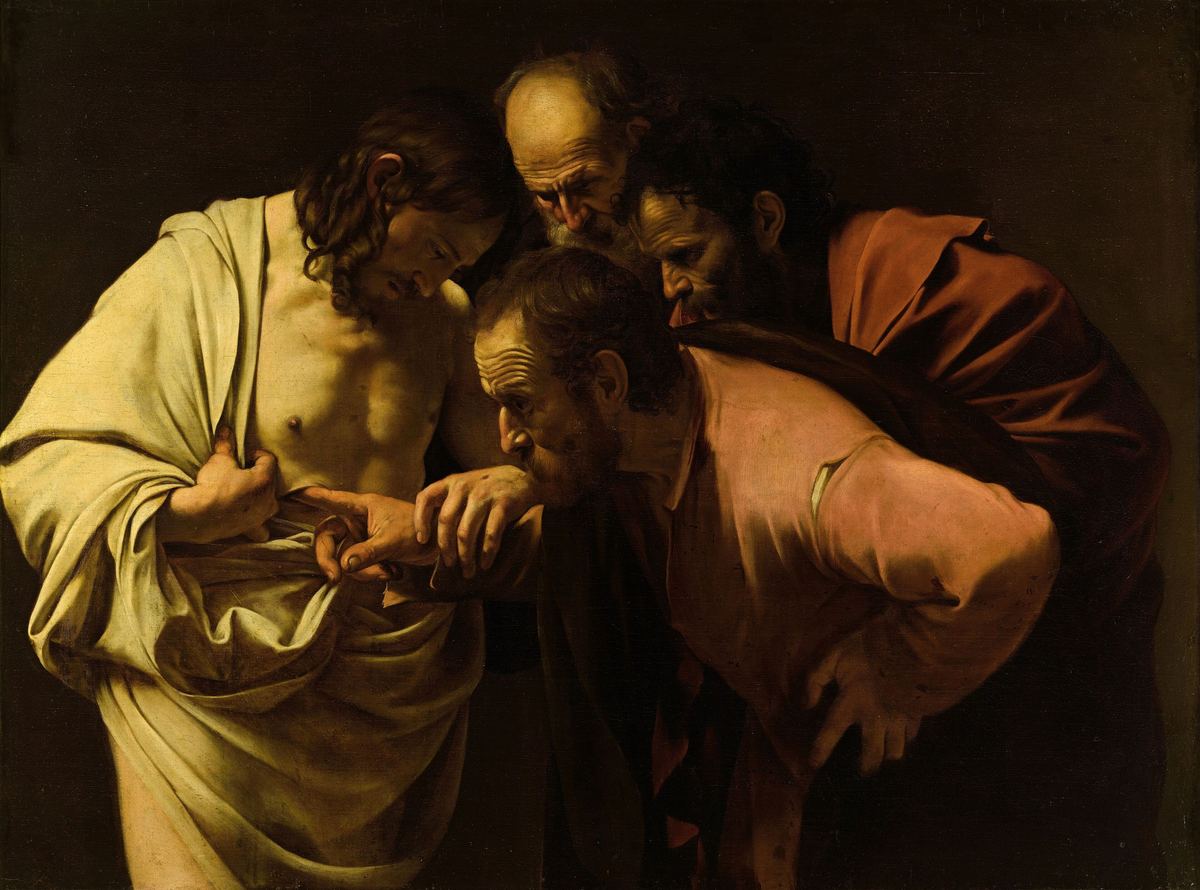
Skepticism stress-tests knowledge by asking whether our evidence can rule out error possibilities that would look exactly—or relevantly—like the world we believe we inhabit.
1The problem it solves
Skeptical arguments expose hidden standards. The brain-in-a-vat case, closure, relevant alternatives, contextualism, Moorean reversal, and Cartesian versus Pyrrhonian strategies are different moves in one architecture: which possibilities must be excluded, and what happens when they cannot be?
2The idea
How far knowledge actually reaches, and the arguments that it reaches far less than we assume. Nobody seriously believes the sceptical conclusion. The interest lies in the fact that the arguments for it are made of premises everyone accepts.
That is what makes this branch the most transferable material on the map. The closure principle, the relevant-alternatives move, and the Moorean reversal are tools you can use in an ordinary argument tomorrow.
3Origin & context
Ancient Pyrrhonism aimed at suspension of judgment; Descartes used radical doubt to search for certainty. Contemporary epistemology formalizes the pressure through closure and modal conditions, then develops responses such as relevant alternatives, contextualism, safety, and Moorean reasoning.
4Canonical example
You think you know you have hands. A sceptic will grant you everything except the ability to rule out a scenario in which you do not.
5Objections & replies
Objection. Radical skeptical possibilities are practically irrelevant and should not set standards for ordinary knowledge.
Reply. That is itself an epistemological position requiring a relevance rule. Skepticism is useful precisely because it forces the rule into the open: why may some error possibilities be ignored but not others?
Objection. Skeptical arguments prove too much—if accepted, nearly all ordinary knowledge disappears, which is more implausible than the premises.
Reply. The Moorean strategy exploits exactly that comparative plausibility. One may reject the skeptical premise or infer its falsity from ordinary knowledge, but then one owes an account of why that reversal is not merely dogmatic.
6Don't confuse it with
Skepticism and cynicism
Epistemic skepticism questions whether knowledge or justification is available under certain standards. Cynicism is a distrustful attitude toward motives or institutions.
Cartesian and Pyrrhonian skepticism
Cartesian doubt seeks a foundation from which knowledge can be rebuilt; Pyrrhonism uses equipollence to suspend judgment rather than reconstruct certainty.
7Common mistakes
- Treating every far-fetched possibility as automatically relevant to knowledge.
- Answering skepticism by repeating the same first-order evidence the skeptical scenario was constructed to mimic.
8In your work
Every “you cannot rule out the alternative explanation” challenge in professional life has this exact shape. Knowing the shape tells you which of the two premises to attack.
9Check yourself
A critic raises a one-in-a-billion alternative and says you no longer “know.” What is the first architectural question?
Show answer
Which theory of relevance or knowledge standards makes that alternative epistemically live? The debate is not settled by its mere logical possibility; closure, relevant alternatives, and contextualism answer that question differently.
شکاکیت معرفت را با این پرسش تحتِ فشار میگذارد که آیا شاهدِ ما میتواند امکانهای خطایی را کنار بزند که دقیقاً — یا از نظر مرتبط — مانند جهانی به نظر میرسند که باور داریم در آنیم.
1مسئلهای که حل میکند
استدلالِ شکاکانه معیارهای پنهان را آشکار میکند. مغز در خمره، انسداد، بدیلهای مرتبط، زمینهگرایی، وارونگیِ مور و راهبردِ دکارتی/پیرونی حرکتهای متفاوت در یک معماریاند: کدام امکانها باید حذف شوند و وقتی نمیشوند چه رخ میدهد؟
2ایدهٔ اصلی
اینکه معرفت واقعاً تا کجا میرسد، و استدلالهایی که میگویند بسیار کمتر از آنچه میپنداریم. هیچکس جداً نتیجهٔ شکاکانه را باور ندارد. جذابیت در این است که استدلالهای آن از مقدماتی ساخته شده که همه میپذیرند.
همین است که این شاخه را قابلانتقالترین بخشِ نقشه میکند. اصل انسداد، حرکتِ «بدیلهای مربوط» و وارونهسازیِ مورى ابزارهاییاند که فردا در یک بحث عادی به کار میآیند.
3خاستگاه و زمینه
پیرونیِ باستان هدفش تعلیقِ حکم بود؛ دکارت از شکِ رادیکال برای یافتنِ یقین استفاده کرد. معرفتشناسیِ معاصر فشار را با انسداد و شروطِ وجهی صورتبندی و پاسخهایی مانند بدیلهای مرتبط، زمینهگرایی، ایمنی و استدلالِ مور را میسازد.
4مثالِ کلاسیک
گمان میکنید میدانید دست دارید. شکاک همهچیز را به شما میدهد جز توانِ رد کردنِ سناریویی که در آن دست ندارید.
5اعتراضها و پاسخها
اعتراض. امکانهای شکاکانهٔ رادیکال در عمل بیربطاند و نباید معیارِ معرفتِ عادی را تعیین کنند.
پاسخ. این خودش موضعی معرفتی و نیازمندِ قاعدهٔ ارتباط است. فایدهٔ شکاکیت همین است که قاعده را آشکار میکند: چرا بعضی خطاها قابلچشمپوشیاند و بعضی نه؟
اعتراض. استدلالِ شکاکانه بیش از حد نتیجه میدهد؛ اگر پذیرفته شود تقریباً همهٔ معرفتِ عادی نابود میشود و این از مقدمات نامعقولتر است.
پاسخ. راهبردِ موری دقیقاً از این مقایسهٔ معقولیت استفاده میکند. میتوان مقدمهٔ شکاکانه را رد یا از معرفتِ عادی کذبش را نتیجه گرفت، اما سپس باید توضیح داد چرا وارونگی صرفاً جزمی نیست.
6با اینها اشتباه نگیرید
شکاکیت و بدبینی
شکاکیتِ معرفتی دربارهٔ امکانِ معرفت یا توجیه زیرِ معیارهای خاص است. بدبینی نگرشی بیاعتماد نسبت به انگیزه یا نهاد است.
شکاکیتِ دکارتی و پیرونی
شکِ دکارتی بهدنبالِ بنیاد برای بازسازیِ معرفت است؛ پیرونی از هموزنیِ دلایل به تعلیقِ حکم میرسد، نه بازسازیِ یقین.
7خطاهای رایج
- مرتبط دانستنِ خودکارِ هر امکانِ دور فقط چون منطقاً ممکن است.
- پاسخ به شکاکیت با تکرارِ همان شاهدِ مرتبهٔ اولی که سناریوی شکاکانه عمداً تقلیدش کرده است.
8در کارِ شما
هر چالشِ «شما نمیتوانید تبیین بدیل را رد کنید» در زندگی حرفهای دقیقاً همین شکل را دارد. شناختِ شکل به شما میگوید به کدامیک از دو مقدمه حمله کنید.
9خودآزمایی
منتقد بدیلی یکدرمیلیاردی مطرح میکند و میگوید دیگر «نمیدانید». نخستین پرسشِ معماری چیست؟
نمایش پاسخ
کدام نظریهٔ ارتباط یا معیارِ معرفت این بدیل را از نظر معرفتی زنده میکند؟ صرفِ امکانِ منطقی حلکننده نیست؛ انسداد، بدیلهای مرتبط و زمینهگرایی پاسخهای متفاوت میدهند.