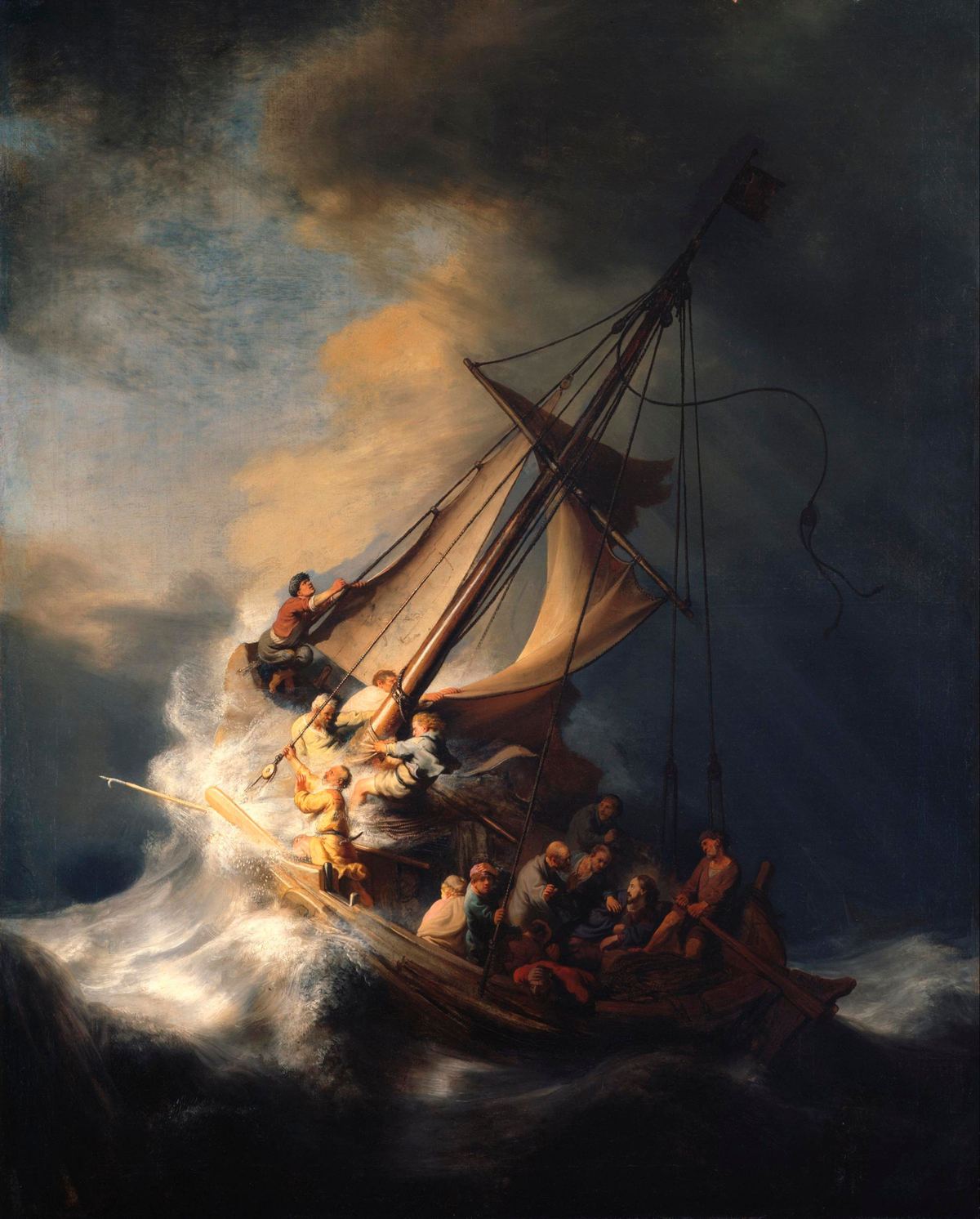
The scout mindset treats beliefs as maps to be corrected; the soldier mindset treats them as positions to be defended.
1The problem it solves
Many epistemic failures are not deficits of intelligence but failures of objective function. If reasoning is serving identity, status, or victory, better reasoning skill can make defense stronger. The scout metaphor asks the agent to optimize for accurate representation even when accuracy is personally inconvenient.
2The idea
The soldier's job is to defend territory: to attack opposing claims and protect one's own. The scout's job is to make an accurate map: to find out what is actually there, whether or not the news is welcome.
Both are reasoning. The difference is what they are for. Galef's argument is that most of us default to soldier mode without noticing, and that the switch is trainable.
3Origin & context
Julia Galef popularized the scout-versus-soldier framing in The Scout Mindset. It synthesizes ideas from motivated reasoning, forecasting, and intellectual virtue into a practical orientation rather than a formal philosophical theory.
4Canonical example
A scout wants an accurate map even when the accurate map says the position is bad.
5Objections & replies
Objection. The metaphor oversimplifies: real agents must sometimes advocate, negotiate, and act under commitment rather than endlessly update.
Reply. True. Scout mindset is an epistemic stance toward the map, not a ban on decisive action. You can commit to a strategy while maintaining separate channels for updating the beliefs on which the strategy rests.
Objection. Wanting accuracy does not make you unbiased; everyone already thinks they are following the map.
Reply. Exactly. The mindset must be operationalized with behaviors: forecast before outcomes, seek disconfirming evidence, reward correction, state cruxes, and separate status from being right. Self-description alone proves nothing.
6Don't confuse it with
Scout mindset and indecision
A scout can decide quickly with current probabilities. Updating the map does not require postponing action until certainty.
Scout mindset and neutrality
Accuracy can support strong moral or policy commitments. The point is not to lack values but to avoid bending factual beliefs to protect them.
7Common mistakes
- Adopting 'scout' as an identity badge, which turns the anti-identity tool into another identity.
- Equating openness with giving every alternative equal time regardless of evidence.
8In your work
The single best diagnostic in this whole map, and it takes one second: when you turn out to be wrong, does it feel like losing? If yes, you were in soldier mode.
9Check yourself
You are defending a policy you strongly value and discover evidence that weakens its stated mechanism but not necessarily the value goal. What would a scout do?
Show answer
Update the factual map and separate it from the value commitment: concede the mechanism evidence, revise the instrumental argument, and then ask whether another route serves the same goal. Protecting the value does not require protecting a false empirical story.
ذهنیتِ دیدهبان باورها را نقشهای برای اصلاح میبیند؛ ذهنیتِ سرباز آنها را مواضعی برای دفاع میبیند.
1مسئلهای که حل میکند
بسیاری از شکستهای معرفتی کمبودِ هوش نیستند بلکه مشکلِ تابعِ هدفاند. اگر استدلال در خدمتِ هویت، منزلت یا پیروزی باشد، مهارتِ بیشتر دفاع را قویتر میکند. استعارهٔ دیدهبان از عامل میخواهد برای نمایشِ دقیقِ واقعیت بهینه کند حتی وقتی حقیقت شخصاً ناخوشایند است.
2ایدهٔ اصلی
وظیفهٔ سرباز دفاع از قلمرو است: حمله به ادعاهای مخالف و حفاظت از ادعای خود. وظیفهٔ دیدهبان کشیدنِ نقشهای دقیق است: فهمیدنِ اینکه واقعاً چه چیزی آنجاست، چه خبر خوش باشد چه نباشد.
هر دو استدلالاند. تفاوت در هدف است. استدلالِ گیلف این است که بیشترِ ما بیآنکه بدانیم بهطور پیشفرض در حالتِ سرباز هستیم، و این کلید قابل آموزش است.
3خاستگاه و زمینه
جولیا گالف چارچوبِ دیدهبان/سرباز را در ذهنیتِ دیدهبان مشهور کرد. این چارچوب ایدههای استدلالِ انگیزهمند، پیشبینی و فضیلتِ فکری را به گرایشی عملی تبدیل میکند، نه نظریهای صوری.
4مثالِ کلاسیک
دیدهبان نقشهٔ دقیق میخواهد، حتی وقتی نقشهٔ دقیق میگوید موقعیت بد است.
5اعتراضها و پاسخها
اعتراض. استعاره سادهسازی میکند: عاملِ واقعی گاهی باید دفاع، مذاکره و عملِ متعهدانه کند، نه اینکه بیپایان بهروزرسانی کند.
پاسخ. درست است. ذهنیتِ دیدهبان حالتِ معرفتی نسبت به نقشه است، نه ممنوعیتِ تصمیمِ قاطع. میتوانید به راهبرد متعهد شوید و همزمان کانالِ مستقلی برای بهروزرسانیِ باورهای زیربنایی نگه دارید.
اعتراض. خواستنِ دقت شما را بیسوگیری نمیکند؛ همه از پیش فکر میکنند نقشه را دنبال میکنند.
پاسخ. دقیقاً. ذهنیت باید به رفتار تبدیل شود: پیش از نتیجه پیشبینی ثبت کنید، شاهدِ مخالف بجویید، اصلاح را پاداش دهید، گرههای تغییرنظر را بگویید و منزلت را از درستبودن جدا کنید. خودتوصیفی هیچ چیز را ثابت نمیکند.
6با اینها اشتباه نگیرید
ذهنیتِ دیدهبان و بیتصمیمی
دیدهبان میتواند با احتمالهای فعلی سریع تصمیم بگیرد. اصلاحِ نقشه نیازمندِ تعویقِ عمل تا یقین نیست.
ذهنیتِ دیدهبان و بیطرفی
دقت میتواند از تعهدِ اخلاقی یا سیاستیِ قوی پشتیبانی کند. هدف بیارزشی نیست؛ هدف خمنکردنِ باورِ factual برای محافظت از ارزش است.
7خطاهای رایج
- تبدیلِ «دیدهبان» به نشانِ هویتی؛ ابزارِ ضدِهویت را به هویتی تازه تبدیل میکند.
- یکیگرفتنِ گشودگی با وقتِ برابر دادن به هر بدیل فارغ از شاهد.
8در کارِ شما
بهترین ابزارِ تشخیصِ این نقشه و تنها یک ثانیه وقت میگیرد: وقتی معلوم میشود اشتباه کردهاید، آیا حسِ باختن دارید؟ اگر بله، در حالتِ سرباز بودهاید.
9خودآزمایی
از سیاستی که عمیقاً ارزشمند میدانید دفاع میکنید و شاهدی مییابید که سازوکارِ تجربیِ اعلامشده را تضعیف میکند اما لزوماً هدفِ ارزشی را نه. دیدهبان چه میکند؟
نمایش پاسخ
نقشهٔ factual را بهروزرسانی و از تعهدِ ارزشی جدا میکند: ضعفِ شاهدِ سازوکار را میپذیرد، استدلالِ ابزاری را اصلاح میکند و بعد میپرسد آیا مسیرِ دیگری همان هدف را تأمین میکند. حفظِ ارزش نیازمندِ حفظِ داستانِ تجربیِ کاذب نیست.