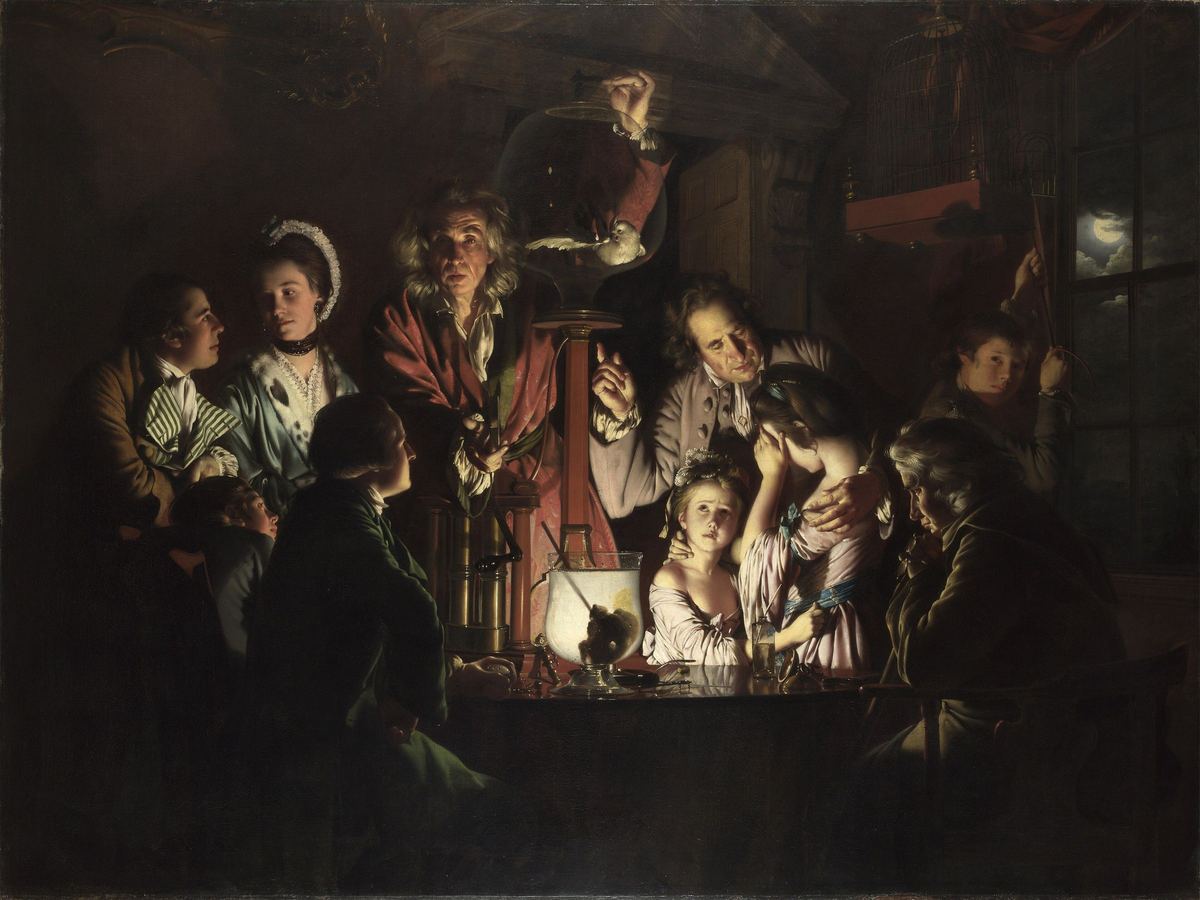
Philosophy of science asks what makes empirical inquiry evidentially disciplined when induction is fallible, tests are theory-laden, and hypotheses are never tested alone.
1The problem it solves
Science works astonishingly well, but no single slogan explains why. Popper captures risky testing, Duhem–Quine the bundle problem, Kuhn the historical structure of normal science, Lakatos the difference between productive and degenerating adjustment, and underdetermination the residual ambiguity of evidence.
2The idea
Applied epistemology of empirical claims. What makes evidence good, what theory choice actually rests on, how sciences change, and whether their theories describe reality or merely organise it.
For anyone doing quantitative work this is not a humanities elective. It is the formal description of your own method, and it names the failure modes you have already met without having words for them.
3Origin & context
The modern arc runs from Hume’s problem of induction through logical positivism, Popper, Kuhn, Lakatos, and contemporary realism/underdetermination debates. The syllabus treats these not as isolated “isms” but as successive attempts to repair the limitations exposed by the previous view.
4Canonical example
Why does a controlled trial license a conclusion that an anecdote does not, when both are observations?
5Objections & replies
Objection. Scientists can do excellent work without studying this philosophy, so the field may be post-hoc commentary.
Reply. Scientists need not name the concepts, but methodological choices still instantiate them: when to abandon a model, which auxiliary to change, what counts as independent evidence, and whether a patch is progressive. Philosophy makes those choices explicit and comparable.
Objection. No universal demarcation criterion cleanly separates science from non-science.
Reply. That failure is itself a major lesson. Contemporary philosophy often replaces one sharp boundary with a cluster of virtues: empirical constraint, risky testing, methodological transparency, explanatory integration, replicability, and progressive problem-solving.
6Don't confuse it with
Philosophy of science and scientific method
There is no single universally accepted scientific method. The philosophy studies competing methods, historical practices, and the norms that make them epistemically successful or unsuccessful.
Falsifiability and scientific quality
A claim can be technically falsifiable yet methodologically weak; Lakatos asks whether the research program generates novel success rather than merely whether some observation could contradict it.
7Common mistakes
- Stopping at Popper as if later work did not expose serious limits of simple falsificationism.
- Treating Kuhn as a relativist slogan and Lakatos as merely vocabulary, rather than answers to actual problems of anomaly and theory change.
8In your work
Reading this branch is the fastest way to become articulate about what you already do well and to notice where you have been lucky rather than careful.
9Check yourself
A theory misses a prediction, its defenders alter an auxiliary, and the altered model later correctly predicts a novel result. Which sequence of concepts best diagnoses the episode?
Show answer
Duhem–Quine explains why an auxiliary can be changed; Popper supplies the pressure to expose the theory to risk; Lakatos judges the repair progressive because it produced novel empirical success.
فلسفهٔ علم میپرسد پژوهشِ تجربی چگونه انضباطِ شاهدی دارد وقتی استقرا خطاپذیر، مشاهده نظریهبار و فرضیه هرگز تنها آزموده نمیشود.
1مسئلهای که حل میکند
علم بسیار خوب کار میکند اما هیچ شعارِ واحدی توضیحش نمیدهد. پوپر آزمونِ پرخطر را میگیرد، دوئمـکواین مسئلهٔ بسته را، کوهن ساختارِ تاریخیِ علمِ عادی را، لاکاتوش تفاوتِ تعدیلِ بارور و واپسرونده را و تعیّنناقص ابهامِ باقیماندهٔ شاهد را.
2ایدهٔ اصلی
معرفتشناسیِ کاربردیِ ادعاهای تجربی. چه چیزی شواهد را خوب میکند، انتخابِ نظریه واقعاً بر چه تکیه دارد، علوم چگونه تغییر میکنند، و آیا نظریههایشان واقعیت را توصیف میکنند یا صرفاً سامان میدهند.
برای هر کسی که کارِ کمّی میکند این یک درسِ اختیاریِ علوم انسانی نیست. توصیفِ صوریِ روشِ خودِ اوست و شکستهایی را نامگذاری میکند که پیشتر با آنها روبهرو شده بیآنکه نامی برایشان داشته باشد.
3خاستگاه و زمینه
قوسِ مدرن از مسئلهٔ استقرای هیوم تا پوزیتیویسمِ منطقی، پوپر، کوهن، لاکاتوش و نزاعهای واقعگرایی/تعیّنناقص میرود. برنامهٔ شما اینها را فهرستِ «ایسم»ها نمیبیند، بلکه تلاشهای پیاپی برای ترمیمِ محدودیتی میداند که دیدگاهِ قبلی آشکار کرده است.
4مثالِ کلاسیک
چرا یک کارآزماییِ کنترلشده نتیجهای را مجاز میکند که یک حکایت نمیکند، در حالی که هر دو مشاهدهاند؟
5اعتراضها و پاسخها
اعتراض. دانشمندان بدون خواندنِ فلسفه کارِ عالی میکنند؛ پس رشته شاید فقط تفسیرِ پسازواقعه باشد.
پاسخ. دانشمند لازم نیست نامِ مفاهیم را بداند، اما انتخابِ روششناختی همچنان آنها را مجسم میکند: چه وقت مدل را رها کنیم، کدام فرضِ کمکی را عوض کنیم، شاهدِ مستقل چیست و وصله پیشرونده است یا نه. فلسفه این انتخابها را صریح و مقایسهپذیر میکند.
اعتراض. هیچ معیارِ جهانیِ تمیزی علم را از غیرعلم جدا نکرده است.
پاسخ. خودِ این شکست درسِ مهمی است. فلسفهٔ معاصر اغلب یک مرزِ تیز را با خوشهای از فضایل جایگزین میکند: قیدِ تجربی، آزمونِ پرخطر، شفافیتِ روش، یکپارچگیِ تبیینی، بازتولید و حلِ مسئلهٔ پیشرونده.
6با اینها اشتباه نگیرید
فلسفهٔ علم و روشِ علمی
یک «روشِ علمی» واحد و موردِ توافق وجود ندارد. فلسفهٔ علم روشهای رقیب، عملِ تاریخی و هنجارهای موفقیت یا شکستِ معرفتیِ آنها را بررسی میکند.
ابطالپذیری و کیفیتِ علمی
ادعا میتواند از نظر فنی ابطالپذیر اما روششناختاً ضعیف باشد؛ لاکاتوش میپرسد برنامه موفقیتِ تازه میسازد یا فقط امکانِ تناقضِ صوری دارد.
7خطاهای رایج
- توقف روی پوپر چنانکه کارِ بعدی محدودیتِ جدیِ ابطالگراییِ ساده را نشان نداده باشد.
- شعارِ نسبیگرایانه کردنِ کوهن و صرفِ واژگان دانستنِ لاکاتوش، نه پاسخ به مسائلِ واقعیِ ناهنجاری و تغییرِ نظریه.
8در کارِ شما
مطالعهٔ این شاخه سریعترین راه است برای اینکه دربارهٔ آنچه از پیش خوب انجام میدهید بیانمند شوید و ببینید کجا خوشاقبال بودهاید نه دقیق.
9خودآزمایی
نظریهای پیشبینی را از دست میدهد، مدافعان فرضِ کمکی را عوض میکنند و مدلِ تغییرکرده بعداً نتیجهای تازه را درست پیشبینی میکند. کدام زنجیرهٔ مفهومی این رویداد را تشخیص میدهد؟
نمایش پاسخ
دوئمـکواین توضیح میدهد چرا تغییرِ فرضِ کمکی ممکن است؛ پوپر فشارِ آزمونِ پرخطر را میدهد؛ لاکاتوش ترمیم را بهسببِ موفقیتِ تجربیِ تازه پیشرونده میداند.