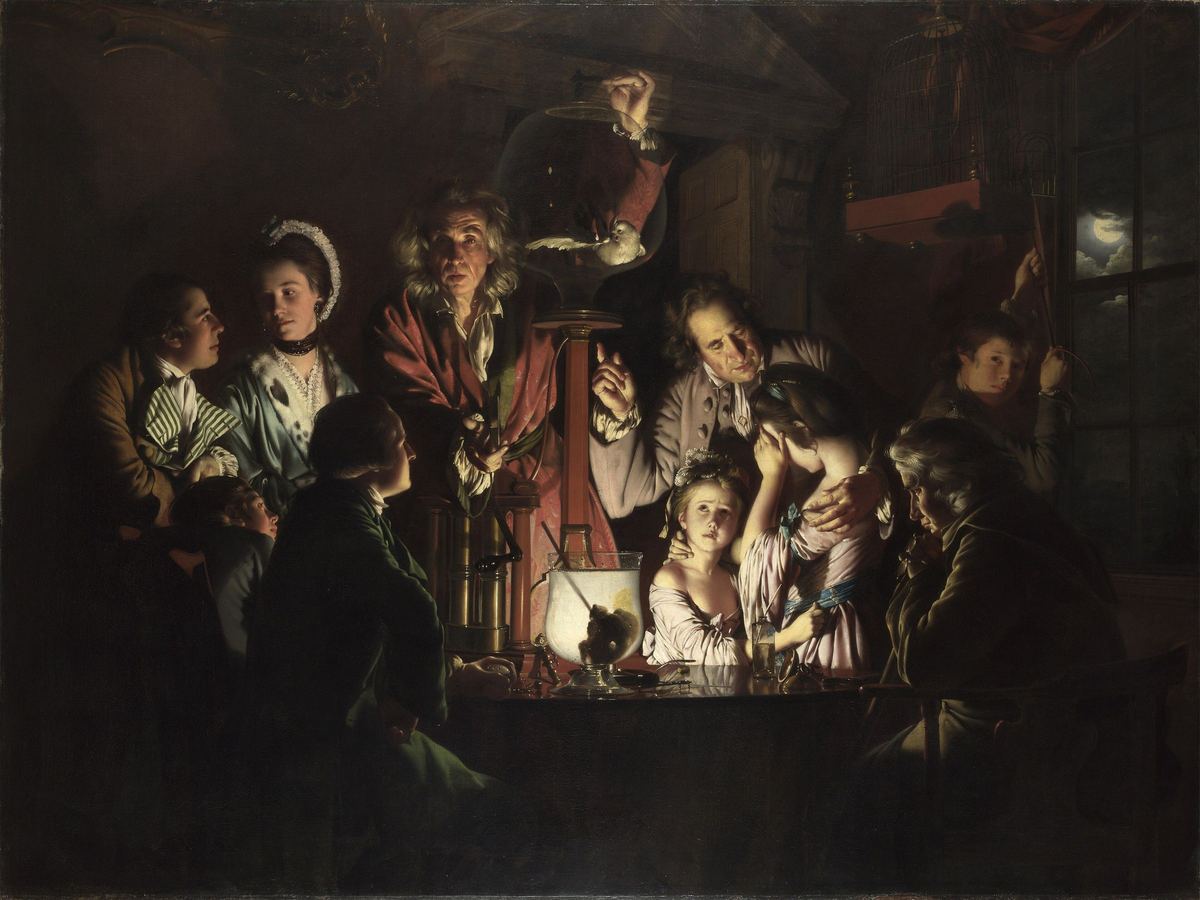
Underdetermination occurs when the available evidence is compatible with multiple genuinely different theories, so evidence alone does not uniquely determine theory choice.
1The problem it solves
Even perfect handling of a dataset may leave rival explanations tied. This matters because scientific inference often asks more than “which theory fits?”—it asks which unobserved structure, mechanism, or counterfactual is real. When several rivals fit the total evidence, extra theoretical virtues or new experiments must do the separating.
2The idea
For any finite body of evidence, more than one theory fits it. Data alone never uniquely picks out a theory, so something besides data always completes the choice.
3Origin & context
The theme grows from Duhem and Quine but is broader than the testing problem. Philosophers such as Larry Laudan discuss different strengths of underdetermination. In practice the issue appears in observational equivalence, empirically equivalent models, and identification failures.
4Canonical example
Several specifications fit the same series equally well and imply materially different policies.
5Objections & replies
Objection. Most historical underdetermination is temporary; new instruments or data eventually distinguish rivals.
Reply. That weakens claims of permanent underdetermination but confirms the local point: at a given evidential state, the evidence may not decide. The rational response is to represent the uncertainty rather than pretend current data select uniquely.
Objection. Theoretical virtues—simplicity, unification, mechanism—can break ties.
Reply. They can, but then theory choice is not determined by empirical fit alone. The philosophical work shifts to whether those virtues are truth-conducive, pragmatic preferences, or disguised priors.
6Don't confuse it with
Underdetermination and Duhem–Quine
Duhem–Quine says a failed test does not localize which assumption is wrong. Underdetermination says multiple theories may fit the same total evidence. One concerns blame after failure; the other selection among empirical rivals.
Underdetermination and statistical uncertainty
Sampling uncertainty can shrink with more observations within a fixed model. Underdetermination can persist even with arbitrarily precise estimates because different models imply the same observables.
7Common mistakes
- Choosing the best-fitting model and calling the theory identified without checking observationally equivalent alternatives.
- Concluding 'anything goes.' Underdetermination can be partial; evidence may rule out many theories while leaving a smaller equivalence class.
8In your work
Why specification choice is a substantive judgment rather than a technicality, and why it belongs in the disclosure rather than the appendix.
9Check yourself
Three structural models reproduce every observable moment in your dataset but imply different policy counterfactuals. What does better standard error precision on those moments solve?
Show answer
It may solve sampling uncertainty but not the structural underdetermination. You need new identifying variation, restrictions, experiments, or defensible theoretical assumptions that separate the observationally equivalent models.
تعیّنناقص وقتی رخ میدهد که شواهدِ موجود با چند نظریهٔ واقعاً متفاوت سازگارند و بنابراین شاهد بهتنهایی انتخابِ نظریه را یکتا نمیکند.
1مسئلهای که حل میکند
حتی کارِ بینقص با داده میتواند چند تبیین را مساوی بگذارد. این مهم است چون استنتاجِ علمی بیشتر از «کدام نظریه برازش دارد؟» میپرسد؛ میخواهد بداند کدام ساختار، سازوکار یا خلافواقعِ مشاهدهنشده واقعی است. وقتی چند رقیب تمامِ شواهد را برازش میکنند، فضیلتِ نظری یا آزمایشِ تازه باید جداسازی کند.
2ایدهٔ اصلی
برای هر مجموعهٔ متناهی از شواهد، بیش از یک نظریه با آن جور درمیآید. داده بهتنهایی هرگز یک نظریه را یکتا برنمیگزیند، پس همواره چیزی جز داده انتخاب را کامل میکند.
3خاستگاه و زمینه
موضوع از دوئم و کواین تغذیه میکند اما از مسئلهٔ آزمون گستردهتر است. فیلسوفانی مانند لری لائودن درجاتِ مختلفِ تعیّنناقص را بررسی کردهاند. در عمل در همارزیِ مشاهدهای، مدلهای تجرباً همارز و شکستِ شناسایی ظاهر میشود.
4مثالِ کلاسیک
چند مشخصهبندی یک سری را به یک اندازه خوب برازش میکنند و سیاستهایی بهطور معناداری متفاوت را ایجاب میکنند.
5اعتراضها و پاسخها
اعتراض. بیشترِ تعیّنناقصهای تاریخی موقتاند؛ ابزار یا دادهٔ تازه بالاخره رقبا را جدا میکند.
پاسخ. این ادعای تعیّنناقصِ دائمی را تضعیف میکند اما نکتهٔ محلی را تأیید میکند: در وضعیتِ شاهدیِ فعلی داده شاید تصمیم نگیرد. پاسخِ عقلانی نمایشِ عدمِقطعیت است، نه وانمودکردنِ اینکه دادهٔ امروز انتخابِ یکتا میدهد.
اعتراض. فضایلِ نظری — سادگی، وحدت، سازوکار — میتوانند تساوی را بشکنند.
پاسخ. میتوانند، اما آنگاه انتخاب فقط با برازشِ تجربی تعیین نشده است. کارِ فلسفی به این منتقل میشود که آیا این فضایل حقیقتیار، ترجیحِ عملی یا پیشینِ پنهاناند.
6با اینها اشتباه نگیرید
تعیّنناقص و دوئمـکواین
دوئمـکواین میگوید آزمونِ شکستخورده مشخص نمیکند کدام فرض مقصر است. تعیّنناقص میگوید چند نظریه ممکن است همان کلِ شواهد را برازش کنند. اولی دربارهٔ مکانیابیِ شکست و دومی دربارهٔ انتخاب میان رقباست.
تعیّنناقص و عدمِقطعیتِ آماری
عدمِقطعیتِ نمونهگیری در یک مدلِ ثابت با دادهٔ بیشتر کم میشود. تعیّنناقص میتواند حتی با برآوردهای بسیار دقیق بماند چون مدلهای متفاوت همان مشاهدات را نتیجه میدهند.
7خطاهای رایج
- انتخابِ بهترین برازش و «شناساییشده» نامیدنِ نظریه بدون بررسیِ بدیلهای همارزِ مشاهدهای.
- نتیجهگیریِ «هر چیزی رواست». تعیّنناقص میتواند جزئی باشد؛ شاهد نظریههای بسیاری را کنار میزند و طبقهای کوچکتر را باز میگذارد.
8در کارِ شما
به همین دلیل انتخابِ مشخصهبندی داوریای ماهوی است نه امری فنی، و جایش در بخشِ افشاست نه در پیوست.
9خودآزمایی
سه مدلِ ساختاری همهٔ گشتاورهای مشاهدهشده را دقیقاً بازتولید میکنند اما خلافواقعهای سیاستیِ متفاوت میدهند. دقیقترشدنِ خطاهای استانداردِ همان گشتاورها چه چیزی را حل میکند؟
نمایش پاسخ
شاید عدمِقطعیتِ نمونهگیری را حل کند، اما تعیّنناقصِ ساختاری را نه. به تغییرِ شناساییکننده، محدودیت، آزمایش یا فرضِ نظریِ دفاعپذیری نیاز دارید که مدلهای همارزِ مشاهدهای را جدا کند.