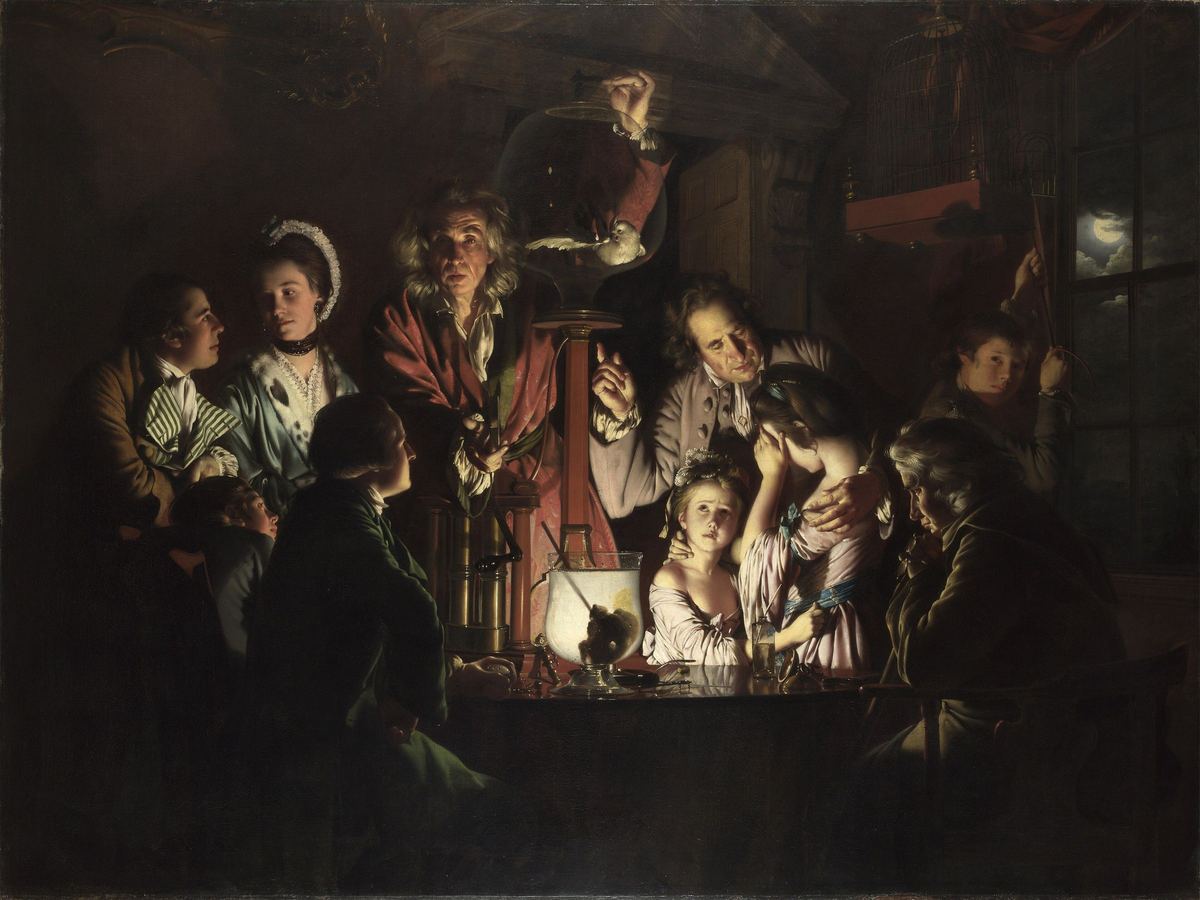
Theory-ladenness means observation is shaped by concepts, expectations, instruments, and background theory rather than arriving as completely neutral “raw facts.”
1The problem it solves
Scientific arguments often imagine a clean division between neutral observation and interpretation. Theory-ladenness complicates that picture: what is noticed, measured, classified, and even described can depend on prior theoretical commitments. This matters most when rival theories help construct the evidence used to choose between them.
2The idea
What counts as data, and how it is described, already depends on theoretical commitments. There is no neutral observation language waiting underneath.
3Origin & context
N.R. Hanson’s Patterns of Discovery and Kuhn’s work are central. The thesis has weaker and stronger versions, from the uncontroversial claim that concepts structure description to the radical claim that different theories produce incomparable perceptual worlds.
4Canonical example
Two economists look at the same series and see different things, because they are looking for different variables.
5Objections & replies
Objection. If observation is theory-laden, science seems trapped in circularity: theories create the facts that confirm them.
Reply. Ladenness need not imply total determination. Instruments can be calibrated independently, observers with different theories can agree on many readings, and adversarial procedures can reduce theory-specific influence. The point is to audit the mediation, not abandon evidence.
Objection. People can learn to report low-level measurements without endorsing the theory behind them.
Reply. That supports weaker forms of the thesis. Theory may shape categories, instrument design, and salience without dictating every observation. The strongest perceptual-relativist versions are therefore much more controversial.
6Don't confuse it with
Theory-ladenness and confirmation bias
Theory-ladenness is structural: concepts and instruments mediate observation even without motivational bias. Confirmation bias is a selective cognitive tendency favoring expected evidence.
Theory-ladenness and fabrication
Mediated observation is not invented data. A thermometer reading can depend on theory-laden instrumentation while still being constrained by the world.
7Common mistakes
- Concluding that because observation is theory-laden, any interpretation is equally valid.
- Ignoring coding choices, variable construction, measurement definitions, and instrument assumptions when calling a dataset 'raw.'
8In your work
Undermines “let the data speak”. Data never speaks; it answers the question you brought to it, in the vocabulary you brought.
9Check yourself
Two teams receive the same transaction log but construct different “liquidity events” because their theories define the category differently. Where is the theory-ladenness?
Show answer
In the transformation from record to observation category. The underlying log may be shared, but what counts as an instance of the measured phenomenon depends on conceptual and coding commitments.
نظریهباربودنِ مشاهده یعنی مشاهده با مفهوم، انتظار، ابزار و نظریهٔ پسزمینه شکل میگیرد و بهصورت «واقعیتِ خام» و کاملاً خنثی وارد نمیشود.
1مسئلهای که حل میکند
استدلالِ علمی اغلب جداییِ تمیزی میان مشاهدهٔ خنثی و تفسیر فرض میکند. نظریهباربودن این تصویر را پیچیده میکند: آنچه دیده، اندازهگیری، طبقهبندی و حتی توصیف میشود میتواند به تعهداتِ نظریِ قبلی وابسته باشد. مسئله وقتی جدی است که نظریههای رقیب در ساختِ شاهدی که قرار است میانشان انتخاب کند نقش دارند.
2ایدهٔ اصلی
اینکه چه چیزی داده بهحساب میآید و چگونه توصیف میشود، از پیش به تعهداتِ نظری وابسته است. هیچ زبانِ مشاهدهایِ بیطرفی در زیر منتظر نیست.
3خاستگاه و زمینه
کتابِ الگوهای اکتشاف اثرِ ان.آر. هنسون و کارِ کوهن مرکزیاند. تز نسخههای ضعیف و قوی دارد، از ادعای کممناقشهٔ اینکه مفاهیم توصیف را ساختار میدهند تا ادعای رادیکال که نظریههای متفاوت جهانهای ادراکیِ قیاسناپذیر میسازند.
4مثالِ کلاسیک
دو اقتصاددان به یک سری نگاه میکنند و چیزهای متفاوتی میبینند، چون دنبال متغیرهای متفاوتی میگردند.
5اعتراضها و پاسخها
اعتراض. اگر مشاهده نظریهبار باشد، علم در دور میافتد: نظریه همان واقعیتهایی را میسازد که تأییدش میکنند.
پاسخ. نظریهباربودن به معنای تعیینِ کامل نیست. ابزارها میتوانند مستقلاً کالیبره شوند، ناظران با نظریههای متفاوت بر بسیاری از خوانشها توافق کنند و رویههای خصمانه نفوذِ نظریهٔ خاص را کم کنند. نکته حسابرسیِ میانجیگری است، نه ترکِ شاهد.
اعتراض. آدمها میتوانند گزارشِ اندازهگیریِ سطح پایین را بیاموزند بیآنکه نظریهٔ پشتِ آن را قبول کنند.
پاسخ. این از نسخههای ضعیف حمایت میکند. نظریه میتواند دستهبندی، طراحیِ ابزار و برجستگی را شکل دهد بیآنکه هر مشاهده را دیکته کند. نسخههای قویِ نسبیگرایانه دربارهٔ ادراک بسیار مناقشهبرانگیزترند.
6با اینها اشتباه نگیرید
نظریهباربودن و سوگیریِ تأیید
نظریهباربودن ساختاری است: مفهوم و ابزار حتی بدون انگیزهٔ جانبدارانه مشاهده را میانجی میکنند. سوگیریِ تأیید گرایشِ شناختیِ گزینشی به نفع شاهدِ موردِ انتظار است.
نظریهباربودن و جعل
مشاهدهٔ میانجیشده دادهٔ ساختگی نیست. خوانشِ دماسنج میتواند به ابزارِ نظریهبار وابسته باشد و همچنان از جهان قید بگیرد.
7خطاهای رایج
- نتیجهگیریِ اینکه چون مشاهده نظریهبار است هر تفسیری به یک اندازه معتبر است.
- نادیدهگرفتنِ انتخابِ کد، ساختِ متغیر، تعریفِ اندازهگیری و فرضِ ابزار وقتی داده را «خام» مینامیم.
8در کارِ شما
شعارِ «بگذارید داده سخن بگوید» را از اعتبار میاندازد. داده هرگز سخن نمیگوید؛ به پرسشی که با خود آوردهاید، در واژگانی که آوردهاید، پاسخ میدهد.
9خودآزمایی
دو تیم همان لاگِ تراکنش را میگیرند اما چون نظریههایشان دسته را متفاوت تعریف میکند «رویدادِ نقدشوندگی»های متفاوت میسازند. نظریهباربودن کجاست؟
نمایش پاسخ
در تبدیلِ رکورد به مقولهٔ مشاهدهای. لاگِ زیربنایی مشترک است اما اینکه چه چیزی مصداقِ پدیدهٔ اندازهگیریشده باشد به تعهداتِ مفهومی و کدنویسی وابسته است.